



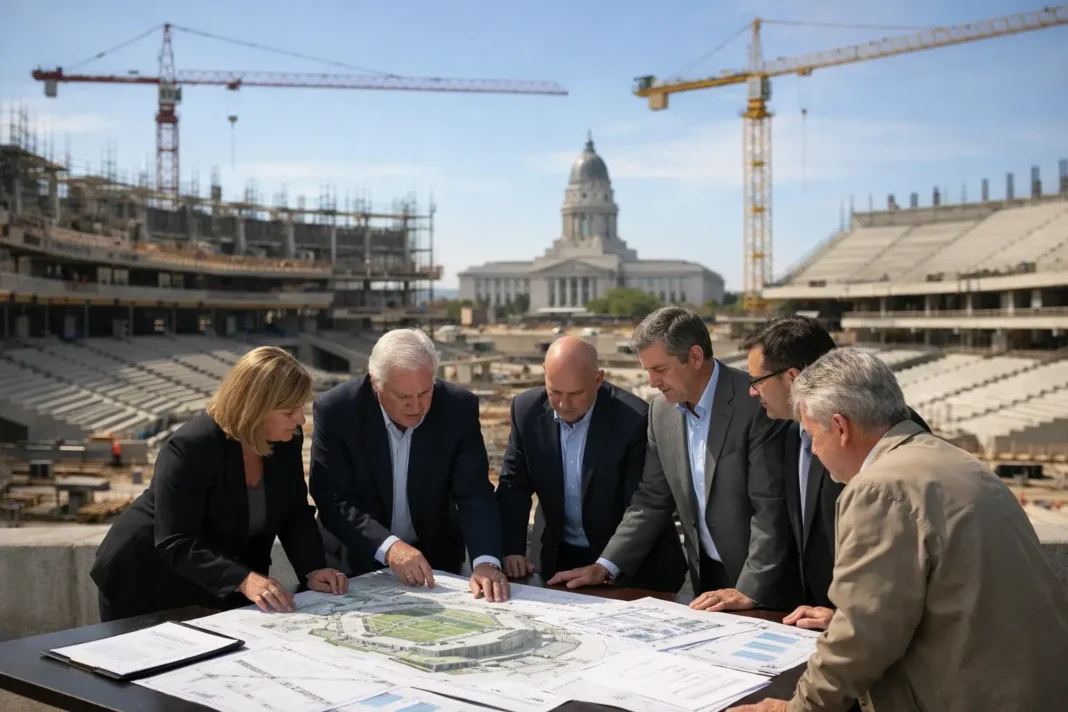
Municipal governments across the United States continue to allocate public money to build or renovate sports venues even as debate intensifies about whether those investments deliver broad fiscal or economic gains. The popularity of sports fuels pressure from owners and leagues, and proposals for new facilities often become central questions during municipal budget planning and development deals.
Financing mechanisms commonly include public bonds, tax incentives and direct subsidies, while proposals typically promise job creation, increased visitor spending and neighborhood revitalization. Promoters — including professional leagues and franchise owners — present stadium projects as catalysts for local growth, and elected officials frequently frame such deals as ways to secure teams and generate civic pride.
A substantial body of academic research and independent analysis has examined those claims and generally finds that the aggregate economic effects are limited. Long-term gains in overall employment, tax revenue and regional GDP tend to be modest, with benefits often concentrated among specific businesses and neighborhoods near the venue. The fiscal consequences for cities can include sustained debt service, unforeseen operating costs and constrained budgets for other public priorities such as education and infrastructure.
In response, some municipal governments have adjusted their approaches: requiring more transparent cost-benefit studies, negotiating greater private contributions, and including provisions such as revenue-sharing or performance-based clauses to mitigate risk. These shifts reflect a broader emphasis on ensuring that any public commitment to a stadium is accompanied by measurable safeguards and clear assessment of alternative uses for public funds. The decisions carry lasting implications for local finances and urban planning, making rigorous scrutiny of proposed subsidies a recurring policy concern.