



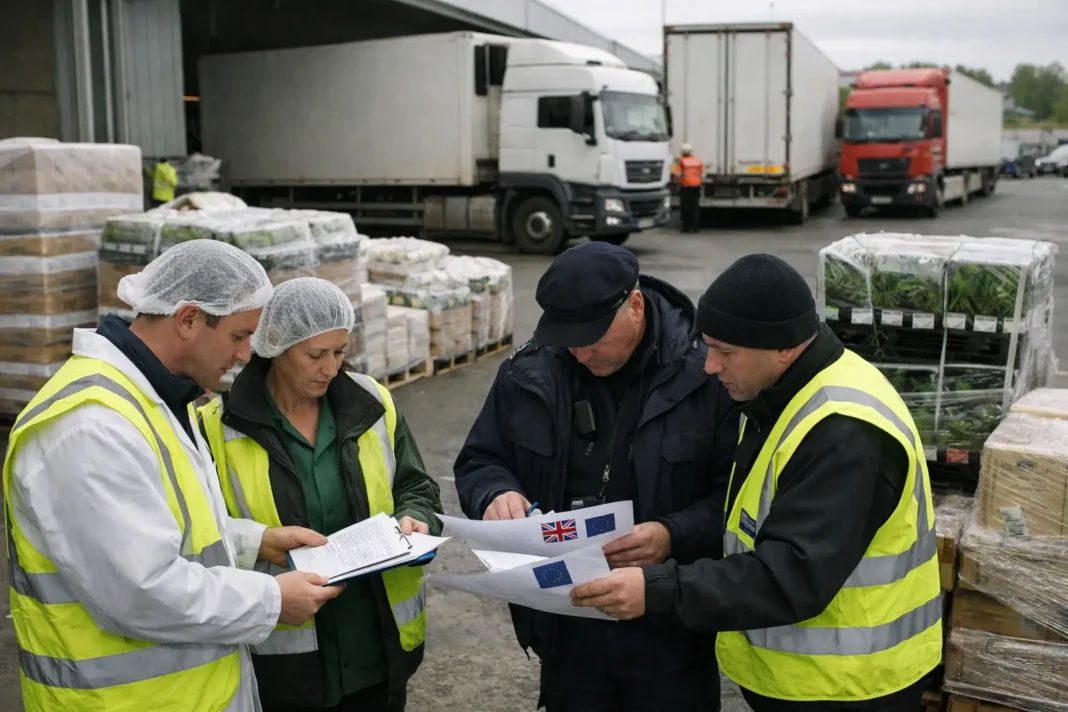
British food businesses have welcomed a new agreement between the UK government and the European Commission aimed at removing most physical checks on food, plants and animal products moving between the two markets. The deal, focused on sanitary and phytosanitary rules, is seen as one of the most commercially significant steps to reduce border friction since Brexit.
The arrangement is expected to help producers in the United Kingdom that sell meat, dairy, plant products and other regulated goods into the European Union. Since the UK left the EU’s single market, exporters have faced additional paperwork, inspections and certification requirements that increased costs and complicated delivery schedules, particularly for smaller firms and perishable goods.
Retailers importing from Europe also stand to benefit. For delicatessens, specialist food shops and other small businesses, the cost of post-Brexit checks made some purchases of European cheese, wine and related products economically difficult. Reducing physical controls could make a wider range of goods viable again, although businesses remain concerned that the practical benefits will not arrive immediately.
The agreement matters beyond individual consignments. Food and agricultural trade depends on predictable border procedures, because delays can damage stock, disrupt supply chains and reduce margins in a sector already exposed to energy, labour and transport costs. A more stable SPS framework could therefore support not only exporters but also wholesalers, logistics operators and independent retailers that rely on regular cross-Channel flows.
Industry support is accompanied by frustration over the time needed to put the deal into effect. Companies broadly view the UK and EU regulatory systems as already closely aligned in this area, which has strengthened calls for faster implementation. Until the new arrangements are fully operational, businesses will continue to navigate the existing checks that have shaped food trade since the end of the transition period.
