



Dozens of men have come under scrutiny after an alleged sexual assault involving seven fraternity members at Cornell University was reportedly viewed in real time by more than 50 people on a group chat. Public accounts of the episode indicate that none of those present publicly intervened or alerted authorities. The episode has renewed attention on why large groups sometimes fail to stop harmful conduct even when many individuals privately oppose it.
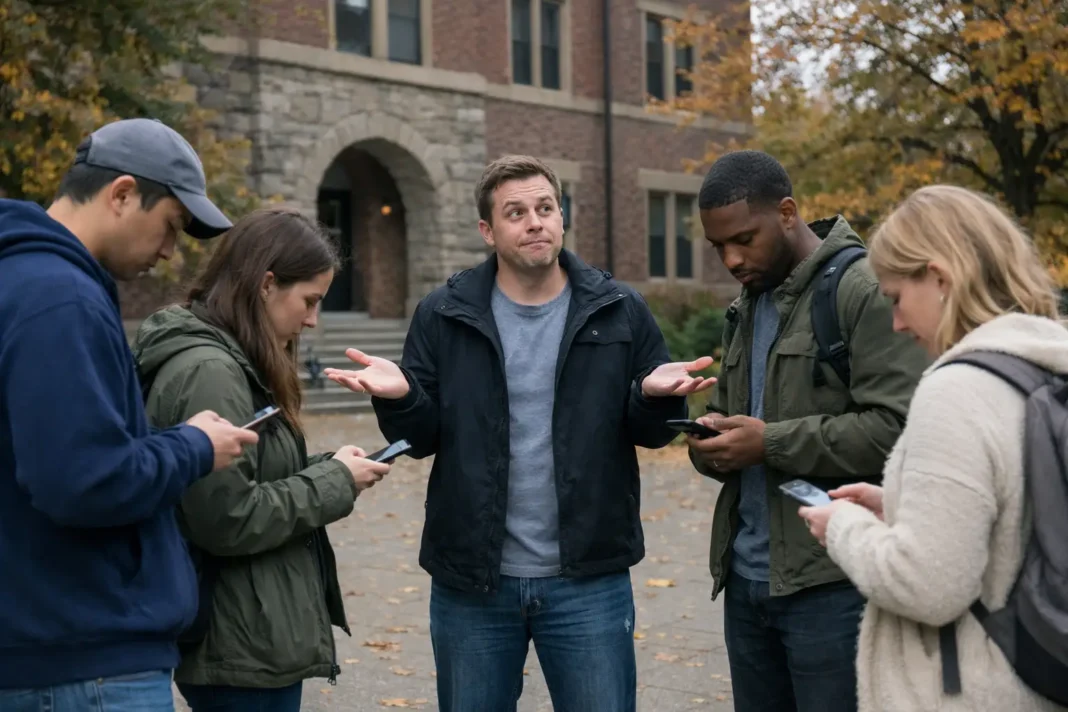
Social-psychological research identifies a common mechanism behind such inaction: people often misjudge what others believe and therefore remain silent. Studies show that only a minority of men commit serious sexual offenses, yet many men mistakenly assume their peers are more accepting of such behavior. That misperception reduces the likelihood that bystanders will step in during instances of sexual assault or call for help. The presence of others can therefore produce passivity rather than collective protection.
Two broad pressures help explain this gap between private belief and public behavior. First, individuals fear social costs—being mocked, ostracized or labelled weak—if they challenge peers. Second, tight-knit groups often prize loyalty, which can be interpreted as protecting a friend rather than confronting wrongdoing. Research also finds that what people think their peers endorse predicts their willingness to act more strongly than their own stated attitudes. Interventions that correct these misperceptions and teach practical responses can change behavior: a short, structured prevention session for incoming male students was associated with reduced self-reported sexual aggression several months later.
Efforts that focus on clarifying actual peer norms and equipping people with concrete intervention techniques show measurable benefits on campuses and in communities. Programs that train observers to notice warning signs, safely interrupt situations and enlist help have been linked to declines in harassment and unwanted sexual encounters. Recasting loyalty as protecting friends from harm, and routinely communicating that most people reject sexual violence, can help shift group dynamics so bystanders become active preventers rather than silent witnesses. Institutions, including fraternities and campus administrations, are central to implementing these approaches and reinforcing them across student life via sustained education and policy measures.
