



Good literature resonates through the ages, drawing on themes that flow through centuries – epic exploits, rout and ruin are found in tales of old, poured over as prescient parables of downfalls soon upon us. Where news media struggles to make sense of the current chaos, the pages of yesterday make human folly comprehensible, sometimes with striking parallels to the present.
But these are at best imperfect renderings of the actual malaise. Trump’s dealings fuse the hubris of Greek tragedy with surrealism, farce and foul language; his unchecked arrogance swells by the hour until world leaders can no longer take him seriously, though they must nonetheless manage the fallout of his tumultuous impulses.
The situation in Iran has yet to pass into literature, though writers will have plenty to work with when the episode has run its course. Until then we must make do with live streams, reportage, and – when we can take no more – old books. Which brought me to W.B. Yeats, writing from a lonely garret on an Irish estate 100 years ago.
Skipping past his aching verses of unrequited amour (which never fail to strike a chord with your correspondent), Yeats’ apocalyptic visions of a modern world riven by previously unimaginable violence may not be comforting, but they are certainly familiar. His allegories for Europe in the aftermath of the Great War are, unfortunately, no less relevant today.
‘The Second Coming‘ presents a natural order unravelling: ‘Things fall apart… The blood-dimmed tide is loosed’. It feels eerily apt as we enter this Easter weekend – ‘Surely some revelation is at hand’ – wondering if Trump will deliver on his threats to bomb Iran “back to the Stone Ages” as markets close for three days.
Inconsolably pessimistic, Yeats foresees no glorious resurrection. Instead, we might ask today ‘what rough beast… Slouches towards Bethlehem to be born?’
The American president would no doubt insist he’s a “GREAT READER”, perhaps spotting an elementary rhyme to once more impress his unrivalled leadership (if we can assume such lyricism from a man not known for rhetorical coherence). But if he were, we wouldn’t be in such a mess, reeling in the shadows until the darkness drops again.
The week from Euractiv policy desks
Tech – Commission talks tech with US
While the Brussels news cycle was winding down in the run-up to Easter, the Commission confirmed that it had opened what it referred to as a “dialogue” with the US in relation to tech. The remarks followed a report in German press that suggested the Commission would set up a common body with the US administration that would be involved in the EU enforcing its tech and competition rules on US companies, as the tech desk’s Maximilian Henning reported.
The Commission’s digital spokesperson claimed the talks would “reinforce our cooperation on digital technologies and markets”, avoiding any mention of EU enforcement on tech. But the Trump administration has made no secret of its hostility to EU tech rules – and some of the bloc’s lawmakers are already convinced the Commission is soft pedalling enforcement to appease Trump. The revelation of a new EU-US tech “dialogue” is sure to spark fresh calls for independent EU enforcement to avoid political interference. – Natasha Lomas
Commission confirms ‘dialogue’ with US after its attacks on EU tech rules
The European Commission on Wednesday confirmed tech talks are taking place with the United States,…
3 minutes
Energy, environment & transport – Emissions trading in times of crisis
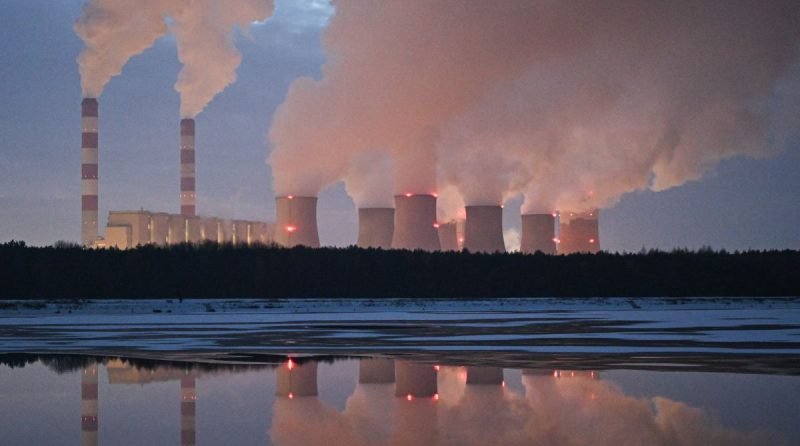
It may be unfamiliar to much of the wider public (and many politicians), but if you own a gas- or coal-fired power station or a cement factory, it’s sitting right there on your bottom line: the EU Emissions Trading System makes companies buy allowances for every tonne of CO2 they emit. But with crisis in the air – first one of Europe’s competitiveness, now energy – the ETS has been under pressure from governments and industry as never before. The Commission this week intervened to make sure it can flood the market with permits if the carbon price goes too high. Otherwise, it appears determined to keep the ETS up and running – and to gradually end handouts of free allowances to factory owners who in fact have paid very little since the scheme was introduced in 2005. – Robert Hodgson
Brussels carbon price intervention boomerangs
A push by the European Commission to create a massive buffer of CO2 certificates to…
2 minutes
Health – EU pharma faces fresh US tariffs
The US administration has concluded its investigation into the pharmaceutical sector, announcing a 15% tariff on innovative medicines imported from the EU. President Donald Trump said the Section 232 report found that the fact that 53% of patented medicines sold in the US are produced abroad poses a risk to national security and the economy. He ordered tariffs of up to 100% on patented drugs made overseas unless countries strike bilateral deals or companies expand US manufacturing. The EU would face a lower 15% rate under the proposed Turnberry deal, which has not yet been implemented. – Brenda Strohmaier
Trump hits EU innovative pharma with 15% tariffs
The US administration concluded its investigation into the pharmaceutical sector, announcing 15% tariffs on innovative medicines imported…
2 minutes
Agri – An egg hunt across Europe
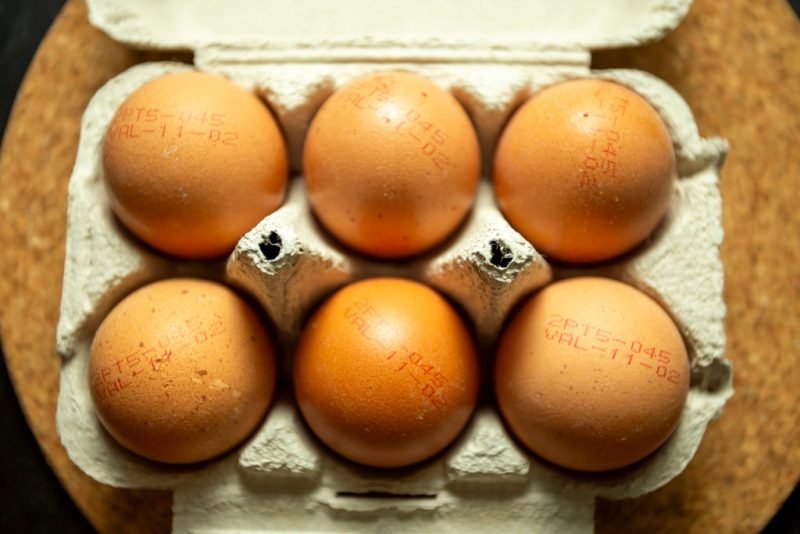
Europe is bracing for a costly Easter weekend, with egg prices peaking and shortages spreading across the continent, reports Alice Bergoënd. A year after the US faced a flu-driven egg crisis so severe it turned to Europe for imports, the pressure has shifted back – fuelled not only by persistent avian flu outbreaks, but also by surging demand in an increasingly egg-obsessed society. – Sofia Sanchez Manzanaro
Europe scrambles for eggs as farmers struggle to keep up
Across Europe, shoppers are paying more for eggs – and in some cases facing empty…
4 minutes
Defence – Nothing nice to say about NATO
The fallout from the US-Israeli war on Iran continued to dominate the news this week, and to take a toll on the NATO alliance. European allies urged US President Donald Trump to stop “trash-talking” NATO. Meanwhile, EU countries have been searching for solutions to the closure of the Strait of Hormuz, a vital trade route that Iran has effectively closed off in response to the conflict. The EU has backed a coalition, led by Britain and France, to reopen the Strait of Hormuz to navigation once some of the risks have subsided. – Cristina Maza
European allies urge Trump to stop ‘trash talking’ NATO
Speak less, stop the trash talk, do not give ammunition to Russia, be serious and…
4 minutes
Source:
www.euractiv.com