



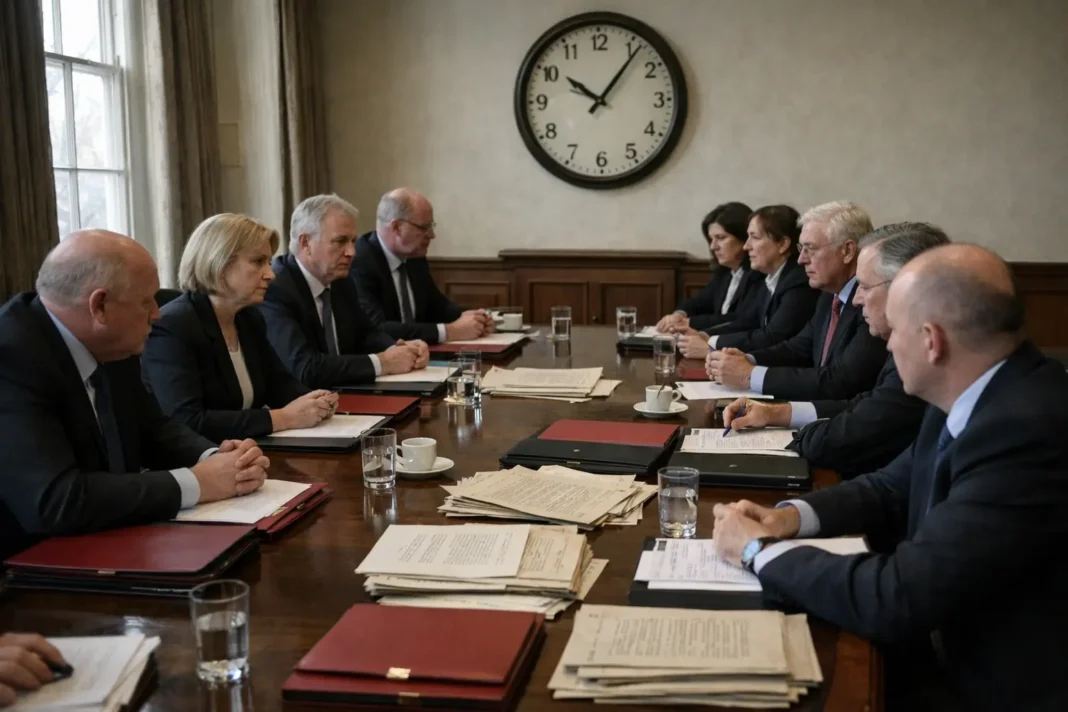
Britain’s diplomatic pledge to hold time-bound discussions on a possible apology for slavery marks a carefully calibrated shift in tone, rather than a settled change of policy. The United Kingdom is seeking to show that the issue will not be left to open-ended conversations, even though no date has been announced for when the process will begin or conclude. The commitment places timing at the centre of a debate that has long carried political, historical and legal weight.
The move comes as demands for a fuller reckoning with the legacy of the transatlantic slave trade remain prominent across parts of the Commonwealth and the Caribbean. Britain’s historical role in slavery has been challenged by governments, campaigners and descendants of enslaved people who argue that expressions of sorrow fall short of formal responsibility. The current signal from British diplomats indicates a desire to reassure counterparts that the subject is being treated with urgency, while leaving the substance of any eventual response unresolved.
The distinction matters. A time-bound process can suggest structure, deadlines and diplomatic seriousness, but it does not itself amount to an apology. Nor does it clarify whether talks would address broader questions of reparatory justice, education, memorialisation or financial redress. Those issues have been advanced for years by regional institutions including CARICOM, whose reparations agenda has helped keep slavery and colonial exploitation on the international diplomatic calendar.
For the United Kingdom, the language of urgency offers a way to engage without immediately defining an outcome. The government’s foreign policy machinery, led by the Foreign, Commonwealth & Development Office, must balance external pressure with domestic political sensitivities over historical accountability. Previous official statements have tended to acknowledge the suffering caused by slavery without moving into a definitive apology or compensation framework.
The absence of a confirmed timetable leaves the next stage uncertain. What is now clear is that the issue of a slavery apology has moved from symbolic language into a more procedural diplomatic space, where dates, formats and participants will carry political significance. Until those details are set out, Britain’s commitment remains a promise to discuss the matter within limits still to be defined.
