



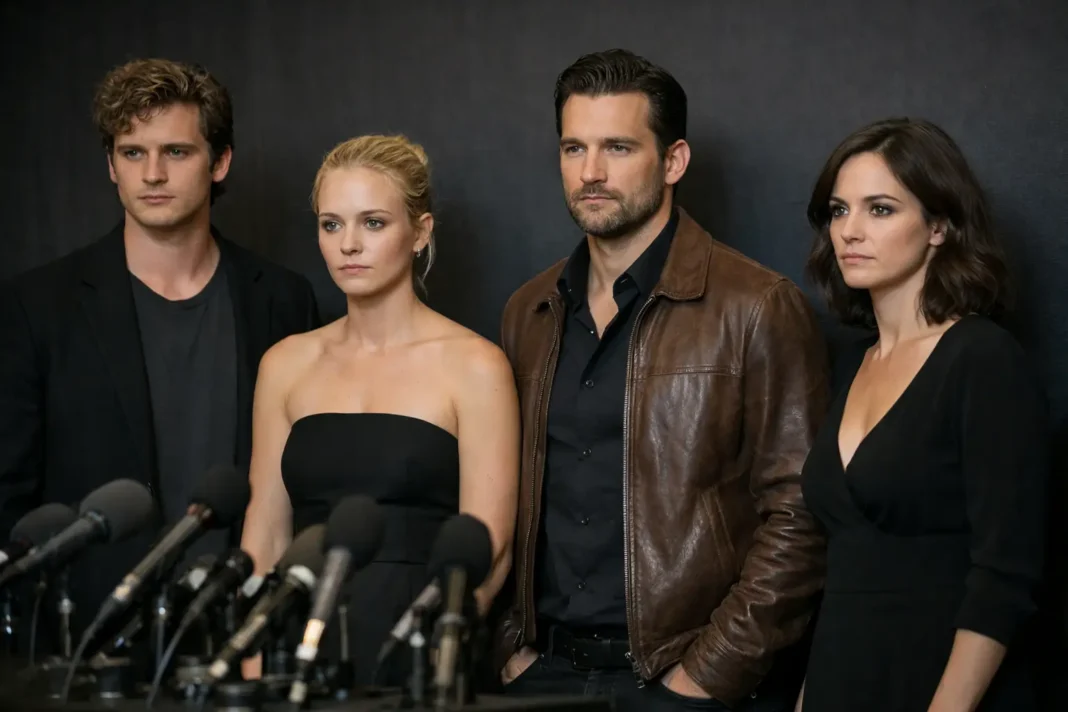
Joining Panem is rarely a low-pressure assignment. The new cast entering the The Hunger Games universe has described the experience as “nerve-racking” as the latest prequel reaches audiences today. Set 24 years before the events of the original film, the release expands one of modern young adult fiction’s most recognisable screen worlds while asking a new group of performers to carry a story already loaded with audience expectations.
The new instalment arrives in a franchise with a clearly defined identity: authoritarian spectacle, survival under public scrutiny and a political system built on fear. The original The Hunger Games film turned that dystopian framework into a global cinema property, giving the series a visual language that many viewers immediately associate with Panem, the Capitol and the brutal arena at the centre of the story. A prequel positioned closer to the earlier timeline must therefore work within familiar rules while creating space for characters who are not simply extensions of the first saga.
For the actors, that balance explains the tension behind the word “nerve-racking”. Entering an established franchise can bring visibility, but it also places performances under comparison before the first scene is judged on its own terms. The challenge is not only to respect what audiences already know, but to make the earlier chapter feel dramatically necessary. In this case, the 24-year gap before the original film gives the production room to revisit the roots of Panem’s conflicts without repeating the exact journey that defined the central story.
The timing of the release also underlines the continuing value of long-form screen franchises. For studios such as Lionsgate, the appeal of The Hunger Games lies not only in recognisable branding but in a fictional system broad enough to support different entry points. Prequels can deepen a mythology when they clarify how a world became what viewers later encounter; they can falter when they depend only on nostalgia. The new film’s position before the original gives it a defined narrative purpose.
Today’s release will test how much appetite remains for new stories from Panem beyond the characters who first made the franchise a mainstream phenomenon. The cast’s acknowledgement of pressure is, in that sense, part of the story around the film: it reflects the burden of joining a popular series while signalling awareness of its place in contemporary franchise filmmaking. The result is a return to a familiar dystopia, but one shaped by a different point in its history.