



See All Key Ideas
KATHMANDU — Nepal has proposed legalizing private zoos, wildlife rescue centers and hospitals, but experts warn weak safeguards could fuel wildlife capture and undermine conservation efforts.
Officials say the move could improve infrastructure and raise awareness, but critics warn it lacks clarity on oversight, enforcement and animal welfare standards.
“There are so-called mini zoos in Nepal, but many function more like killing centers,” said Dibya Raj Dahal, president of Kathmandu-based NGO Small Mammals Conservation and Research Foundation (SMCRF). “Small wild animals are captured from the wild and sold to these facilities under the guise of rescue. In reality, it is extraction,” he said, adding that many animals die in captivity.
Nepal’s only federal government-recognized and functional zoo, the Central Zoo in Kathmandu, was established in 1932 as a private collection. The zoo, which opened its doors to the public in 1956, was managed by the government until 1995 when it was handed over to the National Trust for Nature Conservation (NTNC), a semi-governmental nonprofit. Although different “mini zoos” have been set up in different parts of the country, their legal status has been dubious and their treatment of animals criticized by conservationists.
In response, the government had been saying it plans to introduce new guidelines for the establishment and running of different categories of zoos across the country.
Dahal said that despite its gaps, the draft was an improvement on the current regulatory vacuum. “It is a positive step, but the draft remains incomplete.”
The guidelines also come as the federal government plans to establish new zoos in Tanahun in western Nepal and in Suryabinayak in Bhaktapur near the capital city.
Zoologist Rachana Shah, a former curator at the government-run Jawalakhel Zoo in Kathmandu, echoed Dahal’s take. “It’s good that something like this is being introduced — at least it provides a pathway,” she said.
In addition to specifying the minimum facilities and investment required to establish a zoo, it also sets standards for “rescue centers.”
Dahal said the guidelines fail to clearly define what constitutes a rescue case — listed as injured, orphaned or problematic animals — leaving room for misuse. “Even within national parks, animals face threats. So how exactly will these categories be interpreted?” he said.
Shah, however, said most rescues stem from genuine wildlife distress rather than deliberate capture. “You usually only see wild animals when they are in trouble,” she said, noting that species such as tigers and snow leopards often enter human settlements when injured or stressed.
Wildlife experts say the risks are amplified by weak monitoring. Under the draft guidelines, oversight would fall to Division Forest Offices, which are already overstretched and lack wildlife expertise. “Most staff are trained as foresters, not wildlife specialists,” Dahal said, “We need a dedicated regulatory mechanism, potentially a specialized unit within the Division Forest Office, to properly manage and monitor the proposed sector.”
Nepal has faced similar concerns before. In 2021, the government allowed commercial breeding of several endangered and vulnerable species, including hog deer, Himalayan musk deer and swamp deer, as well as birds such as mynas, doves and pheasants. Reptiles such as snakes and the critically endangered gharial (Gavialis gangeticus) were also included.
Indian zoo expert Dipak Sawant said Nepal could draw lessons from India’s Central Zoo Authority, which periodically reviews private zoos and ties operation permits to compliance. “Zoo recognition is not permanent,” he said. The Indian zoo authority grants approval to private zoos for two to three years and renews it only if standards are met. “In cases of non-compliance, recognition can be withdrawn,” he told Mongabay.
With Nepal opening the sector to private players, Sawant said, it was crucial to clearly define the purpose of zoos. “If that purpose is not anchored in conservation, rescue and education, there is a natural tendency for facilities to become visitor-driven over time.”
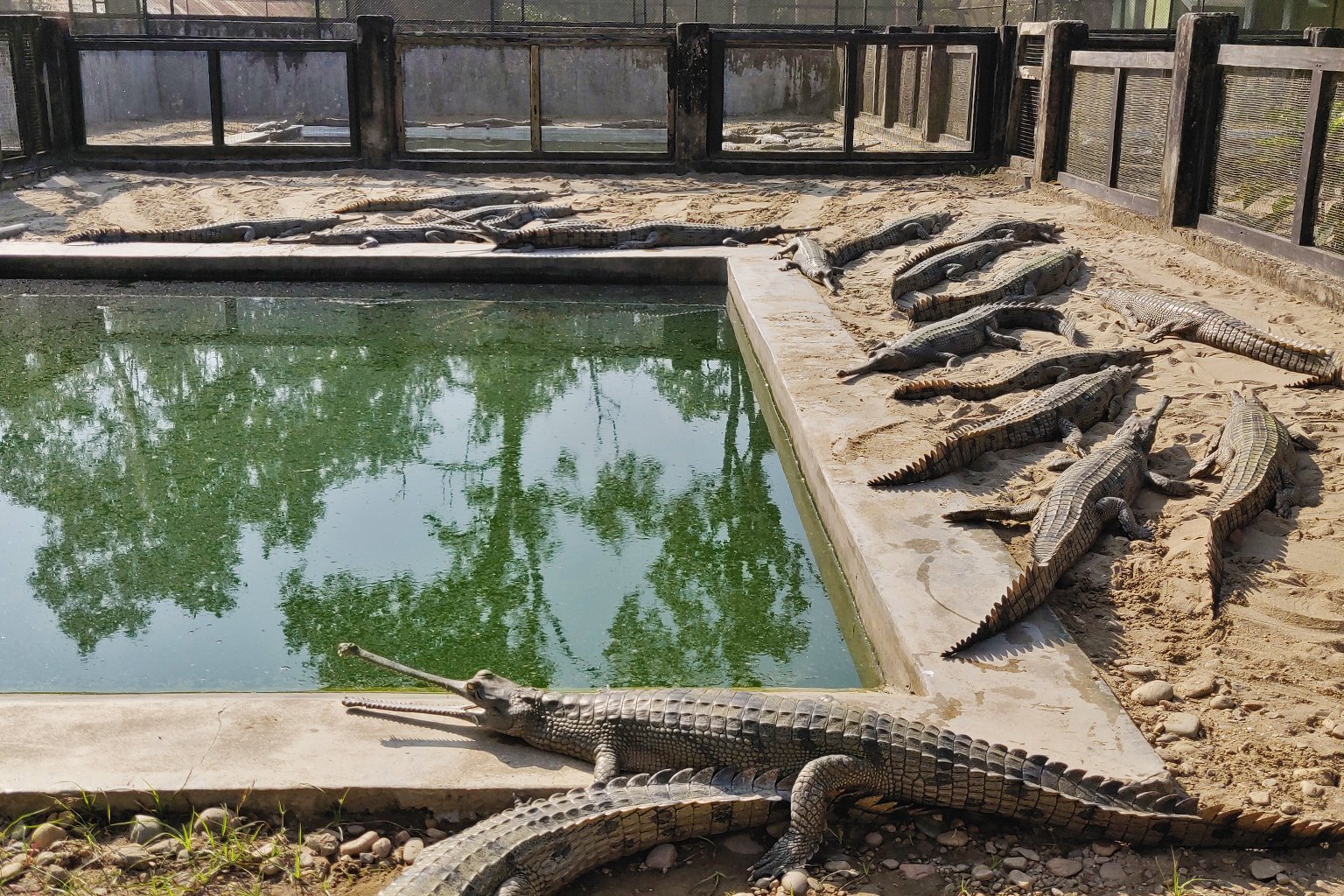
Sawant said India maintains a clear distinction between rescue centers and zoos, with rescued animals typically kept off-display and released where possible. Nepal’s draft recognizes rescue and rehabilitation, but weak protocols risk turning rescue systems into a supply channel for zoos, he added.
While private investment could improve infrastructure, Sawant warned it must be tightly regulated. “Private investment can contribute — if it is properly regulated,” Sawant said. Dahal said financial pressures could push operators to seek profit instead of animal welfare. “Investors will seek returns,” he said. “This could encourage capturing wild animals.”
Shah said the challenge lies in balancing revenue generation with conservation goals. “Zoos will inevitably have to generate income, but they should also contribute to education and research,” she said.
Recent research suggests that the role of modern zoos is far more complex than the traditional focus on conservation, education and recreation. A 2023 study argues that zoos increasingly function as hubs within a broader network of conservation and societal activities — supporting research, policy, community engagement and species management beyond their physical boundaries. But the same research also notes that zoos face persistent criticism and structural challenges that can limit their conservation impact, particularly when priorities shift toward display or revenue.
The guideline also allows zoos to house exotic species, but experts say it does not adequately address legal and ecological risks, including compliance with international wildlife trade rules. “Importing exotic species does pose risks,” Shah said, “depending on how effectively the system can regulate it.”
Nepal also faces a shortage of trained wildlife technicians, with limited institutional support for capacity-building.
Shah said some capacity exists through NTNC, which deploys technicians across national parks.
The debate reflects a broader question in conservation: How to balance protection of wildlife in natural habitats with maintaining animals in captivity. Nepal has achieved remarkable success in conservation of endangered species such as Bengal tigers (Panthera tigris tigris) and greater one-horned rhinos (Rhinoceros unicornis) through protected areas and community-based efforts. Experts say these gains could be undermined if policy shifts too far toward captive wildlife systems.
“Most conservation success has come from protected areas and community involvement, not from zoos,” Sawant said. “Zoos operate in a very different space — they are not substitutes for habitat protection.”
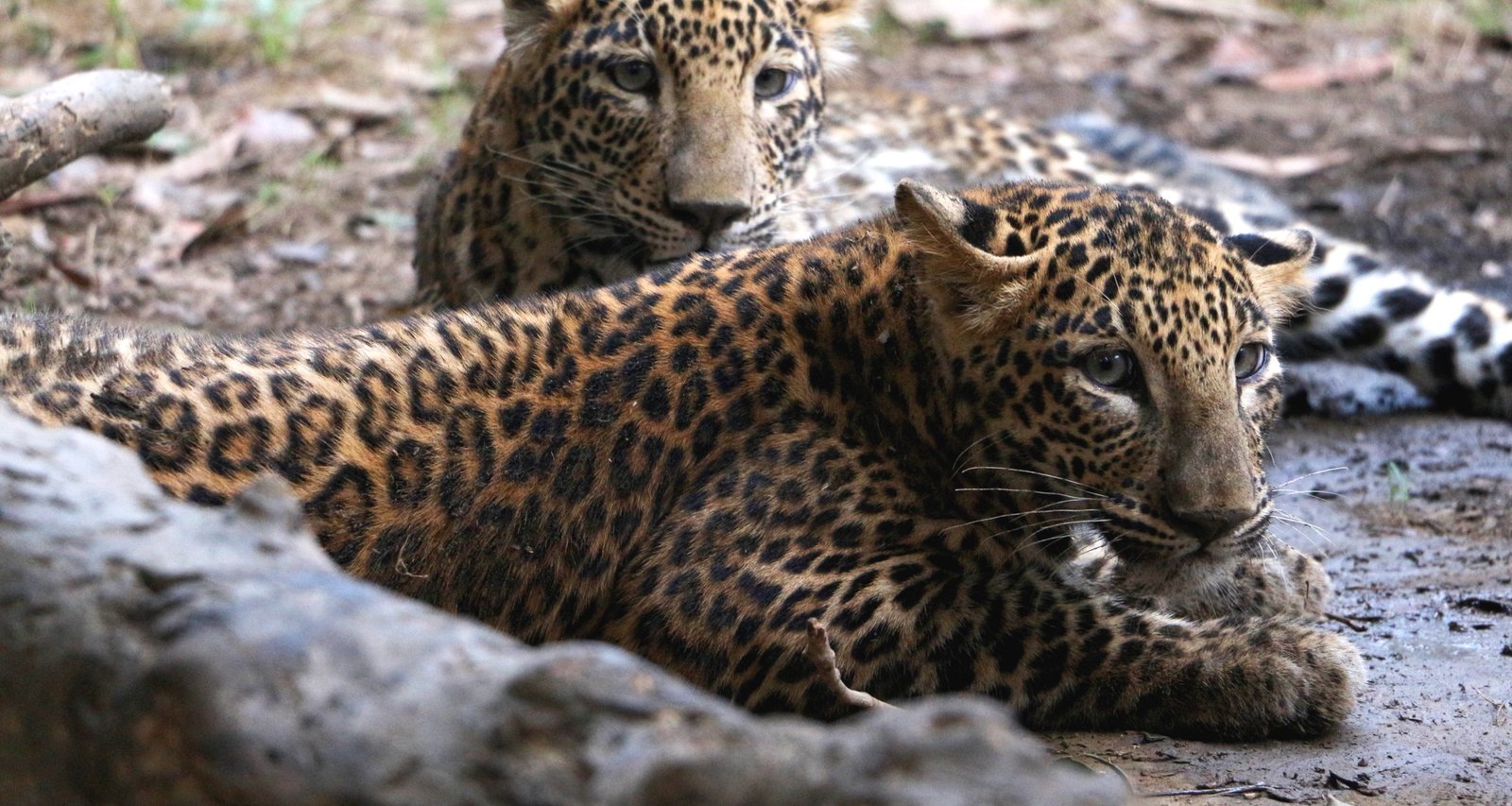
Sawant said well-managed zoos can contribute to conservation through education, research and captive breeding programs. The challenge, he said, is ensuring that zoo development complements — rather than competes with — conservation.
For Nepal, where local communities play a key role in protecting wildlife, that balance is crucial. “If zoo development is not carefully positioned, there is a risk that the focus shifts toward captive wildlife experiences rather than conservation in the wild,” Sawant said.
Dahal echoed this concern, warning that poorly regulated private zoos could undermine community-based conservation efforts and alter public perception of wildlife. “There is a possibility that people will begin to accept wildlife in captivity as the norm,” he said.
Other countries offer cautionary lessons. In India, zoos require central approval and conservation plans. But even strong laws do not guarantee outcomes, with studies in the European Union showing enforcement gaps.
In parts of Africa and Southeast Asia, private wildlife facilities have raised concerns about commercial pressures turning rescue centers into tourist attractions. In India, last year the Supreme Court ordered an investigation into a vast private zoo funded by Anant Ambani, an heir to one of the country’s largest business families, over allegations of illegal wildlife import.
The draft guideline remains under discussion, but experts say the real test will be how it is implemented.
“What really determines outcomes is how strongly the system is regulated after the guidelines are notified,” Sawant said.
Shah, a program manager at NTNC, said zoos can still play a role. “For a lot of people, especially children, a zoo is their first exposure to wildlife,” she said. “That experience can build awareness and interest in conservation.”
Banner image: A tiger in the Central Zoo in Kathmandu. Image courtesy of NTNC.
Nepal plans park for ‘problem’ tigers as attacks raise concerns
Citation:
Spooner, S. L., Walker, S. L., Dowell, S., & Moss, A. (2023). The value of zoos for species and society: The need for a new model. Biological Conservation, 279, 109925. doi:10.1016/j.biocon.2023.109925

Source:
news.mongabay.com