



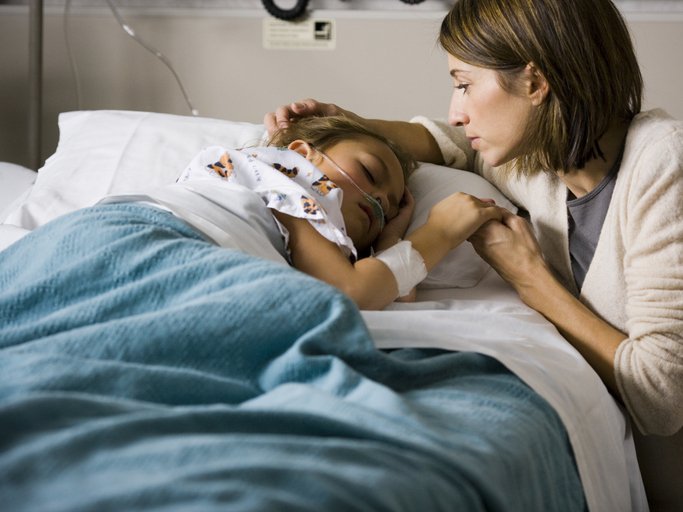
Bulgarian health authorities are facing mounting difficulties launching a long-awaited project to build a national children’s hospital, which has ranked as one of the country’s top healthcare priorities since 2018. The competition regulator has annulled the tender to appoint a design team for a planned national children’s hospital in Sofia, dealing a fresh setback to what was expected to be the country’s largest state healthcare investment in decades.
The Commission for Protection of Competition, which had previously suspended the procurement procedure, terminated the process, citing overly restrictive requirements for bidders and significant shortcomings in the technical documentation.
The project has made little tangible progress despite initial plans envisaging the hospital opening as early as 2028, and had already drawn criticism from experts who argued the procurement prioritised cost over quality. Construction of the facility, designed to address long-standing structural weaknesses in Bulgaria’s paediatric healthcare system, is estimated to cost up to €500mn.
Significant clinical gap
Bulgaria is the only EU country without a specialised children’s hospital bringing together multidisciplinary teams capable of treating complex medical conditions. As a result, many children with severe diagnoses are treated abroad, either at the expense of the state or through funds raised by charitable campaigns.
In 2020, the Bulgarian government, led by the centre-right GERB party of long-serving Prime Minister Boyko Borissov, agreed on the need to build a national children’s hospital that would unite specialists from across the medical spectrum and provide them with access to the most advanced equipment available.
Since then, Bulgaria has had three regular governments and eight caretaker administrations, yet six years later, the project has failed to move beyond the preparatory stage.
“The major problem with the children’s hospital project in Bulgaria is not related to meeting certain technical deadlines. Those deadlines do not need to be shortened. What this project needs is good governance. All of the major problems stem from poor management of the process,” Nadezhda Tsekulova, co-founder of the civic association For a Real Children’s Hospital and a member of the advisory council to the Ministry of Health, told Euractiv.
“In my view, despite the difficulties and controversies, at some point there will be a children’s hospital building. The key question is what kind of healthcare will exist inside that building,” Tsekulova added.Overcoming the personnel barrier
In 2024, the project’s international consultant estimated that the National Children’s Hospital would require at least 309 doctors and 454 nurses. The facility would include 18 operating theatres and 26 emergency treatment rooms, providing round-the-clock emergency care, seven days a week.
The Bulgarian government’s biggest challenge appears to be neither the administrative obstacles nor the temporarily suspended procurement procedure, but rather the shortage of healthcare professionals. Bulgaria currently has fewer than 1,000 paediatricians and child health specialists serving a population of more than 6.4 million people.
“Half a billion euros. Yes, that is how much this hospital will cost to build. Bulgaria has no answer to the question of where that money will come from,” Tsekulova said, while adding that funding is not the most serious issue.
“The issue of medical staff is not linked solely to the children’s hospital … The real question is who will be left to work everywhere else in Bulgaria. The shortage of healthcare professionals in Bulgaria is absolutely catastrophic. The country is in the worst position in the entire EU. And this is happening because of the profound neglect of quality within our healthcare system,” she said.
The chairman of the Bulgarian Paediatric Association, Professor Ivan Litvinenko, is even more sceptical about the hospital being built in the foreseeable future.
“In my institutional capacity, I have to believe it will happen. If you ask me personally, I have serious doubts that I will see this hospital completed during my lifetime, at least not in the foreseeable future,” he told Bulgaria’s public broadcaster BNT.
[VA, BM]
Source:
www.euractiv.com
