



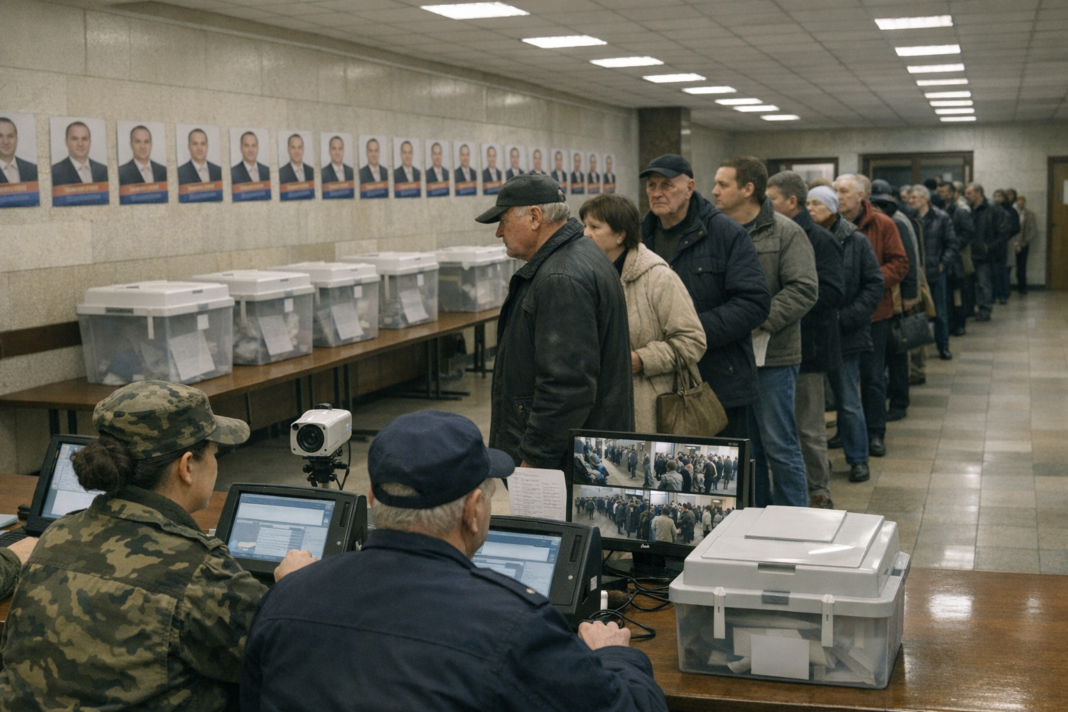
Controlled parliamentary ballots will be held in Russia from September 18 to 20 to elect deputies to the State Duma, governors and regional assemblies. The vote comes amid the fifth year of the war in Ukraine and steep human costs, with an estimated 1.4 million battlefield casualties including some 450,000 deaths noted by CSIS. Despite public discontent and the mounting economic and social strains tied to the conflict, these elections are structured to produce a favourable outcome for the Kremlin and its allies rather than to register an open verdict on policy or leadership.
Electoral processes in the country function as tools of governance rather than competitive arenas. The legislature has been dominated by United Russia since 2003, and the executive remains the central locus of power. The state permits a circumscribed set of parties that present an appearance of pluralism while aligning with Kremlin priorities. Notably, the pro-Western Yabloko party has been prevented from contesting seats this cycle, and prominent opposition figures have been sidelined through convictions and long prison terms, effectively narrowing the field of credible dissent.
Mechanisms used to shape results range from technological to material and coercive. Remote electronic voting will be deployed across many regions, a format critics warn can be manipulated without transparent audit trails. Authorities have also sought to boost turnout through incentives such as raffles, vouchers and prize promotions at polling stations, while reports point to pressure on state employees to support the ruling party. In territories under occupation, voting procedures are likely to be especially coercive. At the same time, the regime avoids blatant falsifications that would entirely erase the veneer of legitimacy; controlled uncertainty and occasional local surprises have occurred in the past, when non-Kremlin forces gained unexpected footholds.
The immediate consequence of these arrangements is predictable seats for pro-Kremlin forces and a reinforced administrative apparatus for managing internal dissent. More broadly, the staging of elections in this manner exposes a governing strategy focused on surveillance of voter sentiment, consolidation of loyalist networks and mitigation of unrest rather than on democratic contestation. For domestic and international observers, the ballots will therefore reveal less about popular preferences than about the Kremlin’s calculations for maintaining control amid sustained war-related pressures.
