



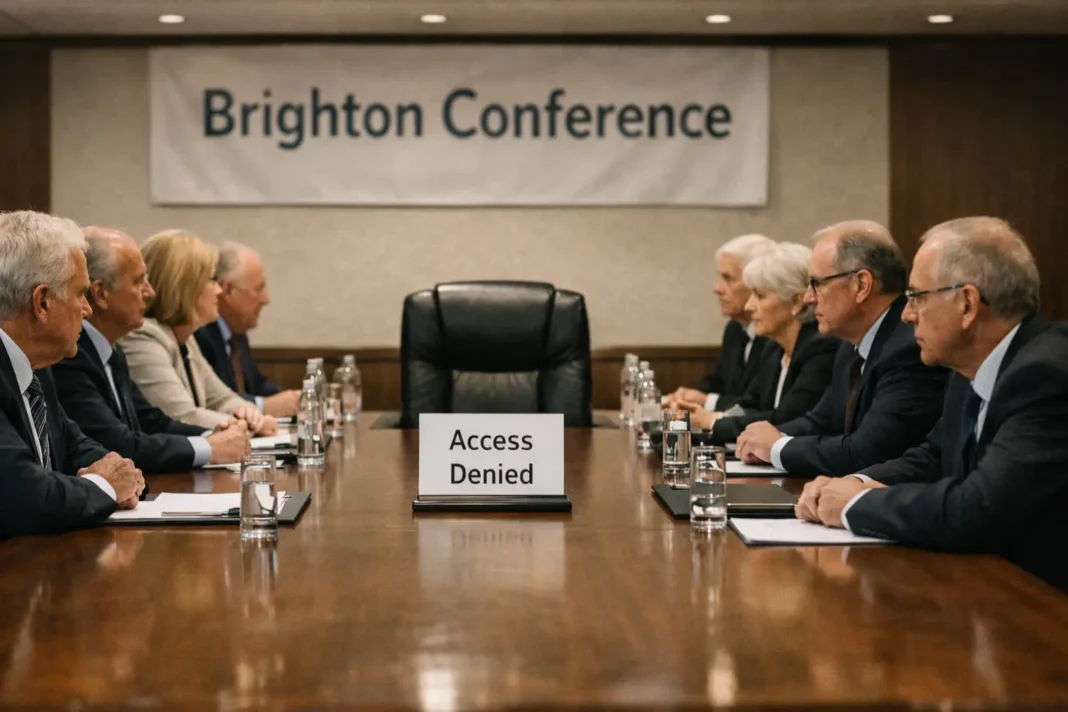
Controversial motion passed at the party conference in Brighton declared Zionism to be “racism” and was followed by a decision that has resulted in Roman Polanski being barred from Israel. The action has immediately become the focal point of sharp debate among delegates, with the outcome provoking public attention and internal scrutiny of the party’s direction.
The vote, taken during sessions in Brighton, has revealed clear fault lines among senior figures within the party. Delegates and leading members voiced opposing views on the motion’s merits and its political consequences, and the split was evident in discussions on the conference floor. Organisers have struggled to reconcile competing positions while the matter remains central to the gathering’s proceedings.
The combination of the motion and the subsequent ban on Roman Polanski has intensified questions about the party’s approach to identity and international affairs. Observers note that such a declaration and its fallout carry reputational risks and may affect how the party is perceived by community groups and external partners. The controversy has also sharpened debate around the party’s internal decision-making processes and the coherence of its public platform.
Party leaders now face the task of addressing the divisions exposed in Brighton and of setting out a clear response to the practical consequences of the vote. With the conference continuing, attention will centre on whether the leadership can present a unified position or whether the split revealed by the motion will persist beyond the event. How the party resolves the issue is likely to influence its standing in the weeks ahead and shape internal discussions about policy and representation.