



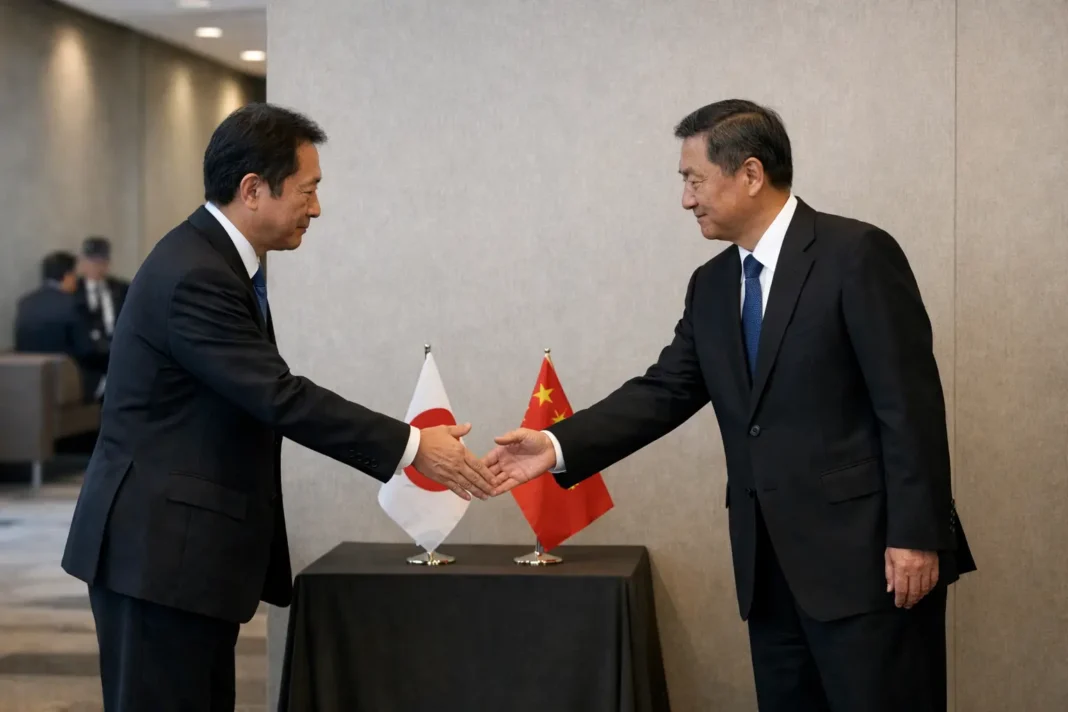
The diplomatic chill between Japan and China has moved from background friction to open discomfort, with the latest signs emerging around the APEC summit. The gathering, normally built around economic cooperation and practical dialogue, instead highlighted how quickly strategic mistrust can overshadow regional diplomacy. Tokyo’s concern over China’s military expansion and Beijing’s anger at remarks by Sanae Takaichi on Taiwan have added fresh weight to a relationship already burdened by security anxieties.
The tension is especially significant because Japan and China have few areas where politics can be fully separated from economics. APEC offers a framework for keeping communication open among economies with competing interests, yet the visible frostiness at the summit showed that formal settings alone cannot soften disputes over sovereignty, military posture and regional influence. For Tokyo, China’s growing military capabilities remain a central security concern. For Beijing, any Japanese political language touching Taiwan is treated as a direct challenge to its core interests.
Japan’s foreign policy establishment, represented by the Ministry of Foreign Affairs of Japan, has long balanced deterrence with the need to preserve working channels with Beijing. That balance is becoming harder to maintain as Taiwan occupies a more prominent role in regional security discussions. Takaichi’s comments have intensified Chinese criticism, underscoring how sensitive the issue remains and how little room there is for public ambiguity when senior Japanese political figures address cross-strait tensions.
Beijing’s posture also reflects a broader diplomatic message. The Ministry of Foreign Affairs of China consistently frames Taiwan as an internal matter and resists any suggestion of outside involvement. Against that backdrop, even indirect remarks from Tokyo can become a test of the wider relationship. The result is a cycle in which Japan’s security language reinforces Chinese suspicion, while China’s assertive reactions deepen Japanese concern about military pressure in the region.
The immediate path forward is likely to depend on whether both governments keep diplomatic and economic channels functioning despite the political strain. Neither side benefits from a prolonged freeze, but the sources of tension are structural rather than temporary. APEC’s uneasy atmosphere therefore matters beyond protocol: it signals that Japan-China ties remain vulnerable to any dispute involving Taiwan, military activity or regional influence, with consequences for East Asian stability and the future of multilateral dialogue.