



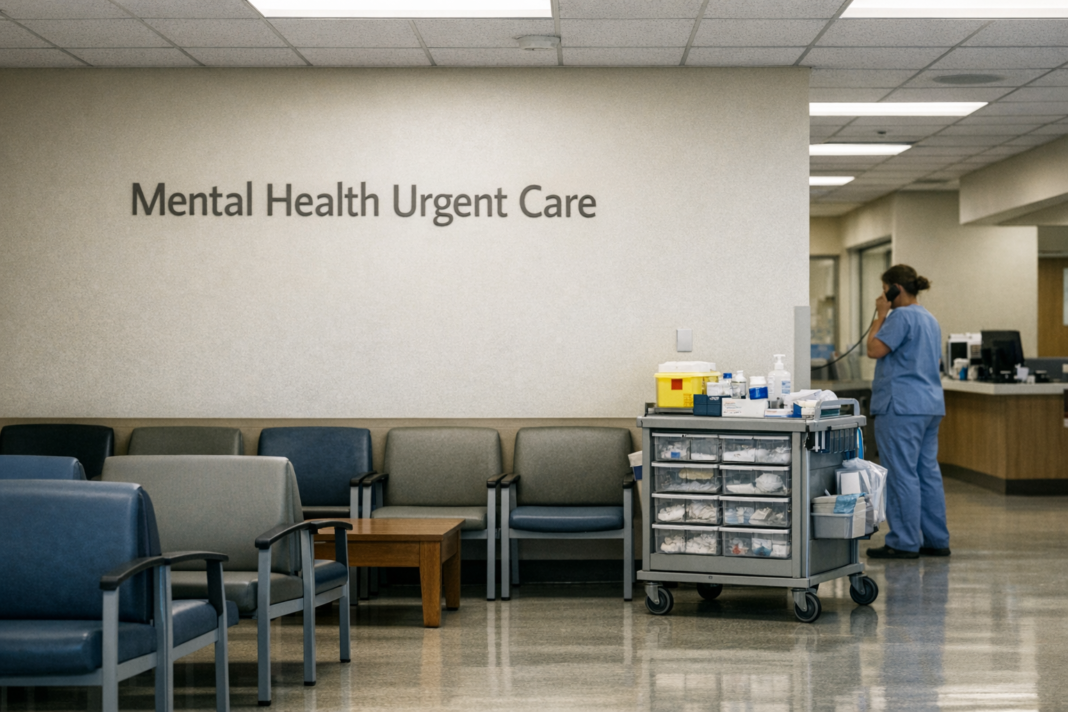
NHS emergency departments are recording an increase in young patients presenting with self-harm, eating disorders and acute emotional distress, with some cases involving children as young as six. Hospital clinicians report that a broader mix of psychological and behavioural crises are now being seen in emergency settings, creating new pressures on front-line teams. The trend underscores how urgent mental health needs are appearing at earlier ages and in settings designed primarily for physical emergencies, including A&E units and paediatric assessment areas.
The rise in presentations has implications for both immediate care and follow-up support. Emergency departments are treating children who require rapid assessment, medical stabilisation and often referral to specialist services, while waiting for outpatient appointments or community interventions. Observers note that emergency clinicians are frequently required to manage complex emotional distress in environments not tailored for long-term psychological treatment. This has prompted attention to pathways between urgent care, paediatrics and child mental health services such as mental health teams.
Charities and health providers have highlighted the range of issues arriving in hospitals, from deliberate self-harm to eating disorders and severe anxiety, and emphasised the need for timely assessment and safe discharge plans. The pattern of more frequent and younger presentations also raises questions about capacity in community-based services and specialist child and adolescent mental health provision. For families, emergency attendance can be distressing and may signal gaps in earlier identification or access to appropriate support outside hospital.
The development has policy and operational consequences for health services and local commissioners. Ensuring coherent care pathways, strengthening early-intervention programmes and improving coordination between schools, primary care and specialist teams are among the considerations under discussion. Health leaders and families will be monitoring whether additional resources or revised referral routes reduce reliance on emergency departments for urgent child mental health needs. For official guidance on services and support, see NHS.

