



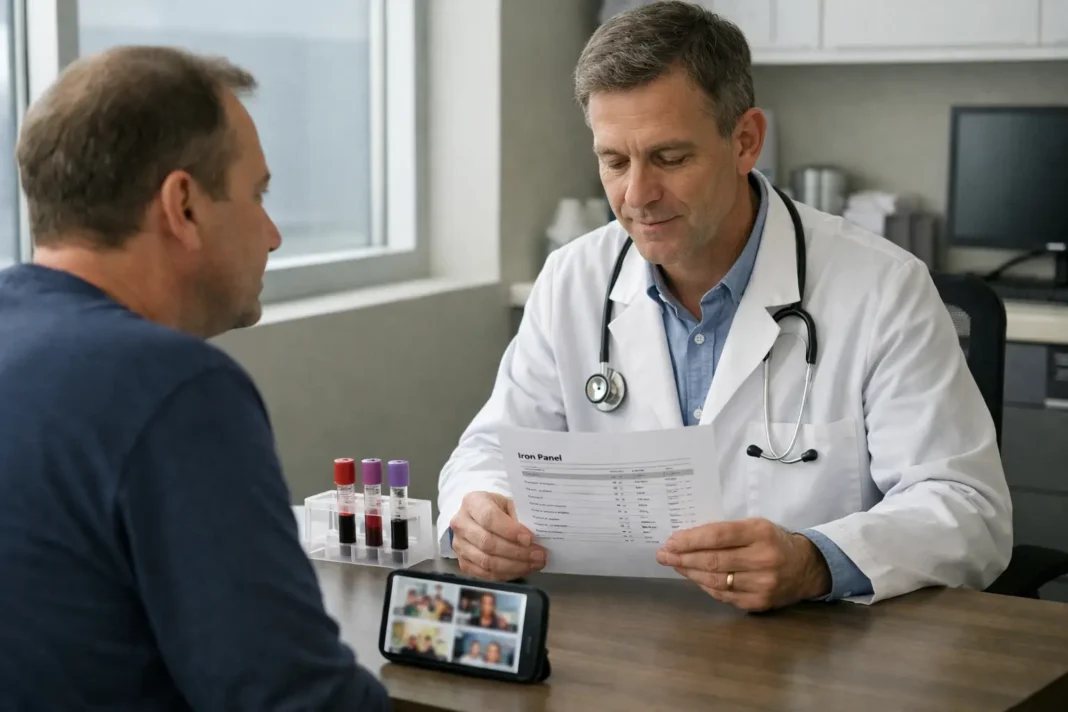
A viral health claim has put “ferritin face” into the online spotlight, with videos suggesting that low iron can be identified by looking at someone’s appearance. The posts have attracted millions of views, reflecting a wider trend in which complex medical issues are compressed into quick visual checks for social media. The idea is simple and shareable, but it risks turning a laboratory finding into a cosmetic label.
Ferritin is a protein that stores iron in the body, and low ferritin can indicate depleted iron reserves. Iron is essential for producing healthy red blood cells, and deficiency can contribute to anaemia. Medical guidance from the NHS links iron deficiency anaemia with symptoms such as tiredness, lack of energy, shortness of breath, noticeable heartbeats and pale skin. These signs can matter clinically, but none of them is specific enough to confirm a diagnosis from a face alone.
The problem with “ferritin face” is that appearance is an unreliable diagnostic tool. Skin tone, sleep, lighting, makeup, dehydration, allergies and many other factors can change how a person looks in a video or photograph. Some people with low iron may show few visible signs, while others who look pale or tired may have an entirely different issue. Ferritin levels are measured through blood tests, often alongside other markers, and interpretation can depend on a person’s broader health context. The World Health Organization treats anaemia as a major public health concern, but diagnosis and treatment are medical processes, not visual assessments.
The popularity of the trend also shows why online health content can be both useful and misleading. It may encourage people to learn about iron deficiency, especially if they have persistent fatigue or other symptoms. At the same time, it can push viewers toward self-diagnosis, unnecessary supplements or anxiety about normal facial features. Iron supplements are not harmless for everyone, and taking them without confirmation can obscure other causes of symptoms or create new problems.
For anyone concerned about low iron, the practical step is not to compare facial features with a viral checklist but to seek professional advice and appropriate testing. A clinician can decide whether ferritin, haemoglobin or other blood markers are needed and can assess possible causes, including diet, blood loss or underlying conditions. The online phrase may be new, but the central message remains familiar in health care: visible clues can prompt questions, not replace evidence.