



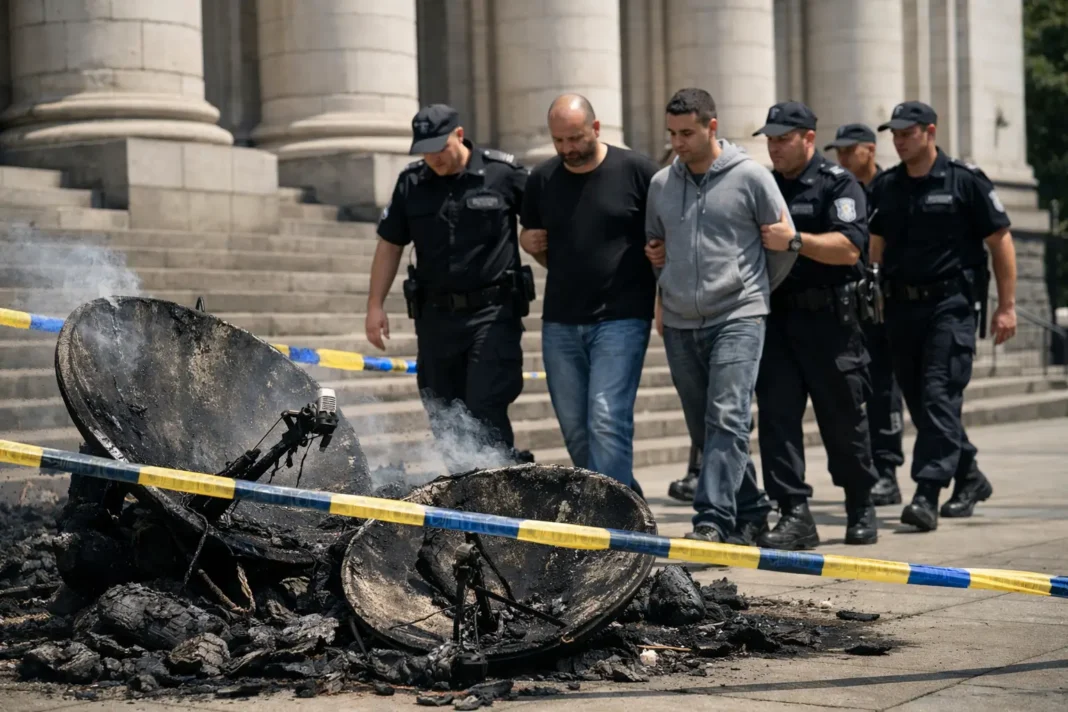
Bulgarian court has issued arrest warrants for two young nationals of Germany, suspected of deliberately setting fire to satellite internet antennas operated under the Starlink brand. The decision marks a rare criminal escalation involving ground infrastructure for consumer satellite systems and was reported by Bulgarian judicial sources.
Authorities have not disclosed the identities of the suspects or detailed the evidence underpinning the warrants. Investigators say the incidents involved burns or fires targeting dish terminals, but official statements have so far avoided attributing motive. The case has drawn attention because of recent, similar attacks in neighbouring countries and the potential implications for critical communications hardware.
The Bulgarian development follows an incident in Poland that its government in Warsaw has publicly said was orchestrated by Russia. That attribution has become part of a broader diplomatic dispute in which national capitals are scrutinising whether sabotage of telecommunications devices forms part of wider interference operations. Satellite broadband systems such as Starlink are widely used across Europe and in conflict zones, increasing their strategic profile and prompting closer scrutiny when equipment is targeted.
The issuance of arrest warrants in Bulgaria adds to a cluster of investigations across the region into attacks on satellite communications equipment. Prosecutors in Sofia must now proceed through pretrial steps to establish responsibility and motive. The outcome of the Bulgarian proceedings could influence legal and diplomatic responses in capitals concerned about the security of satellite-based internet infrastructure.
