



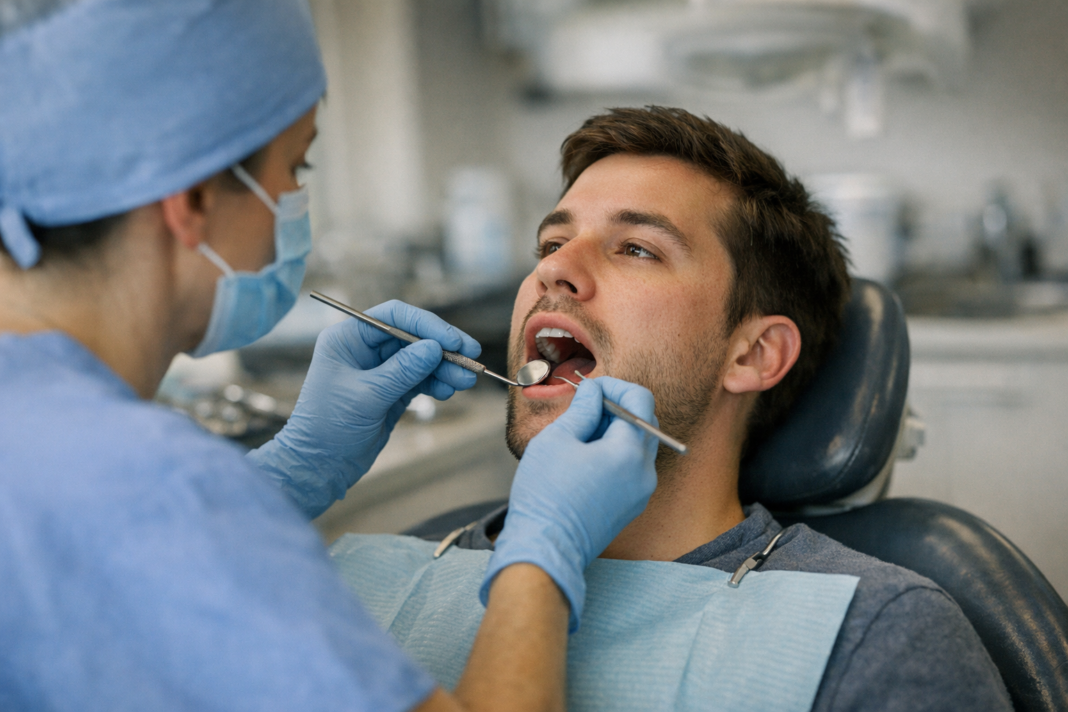
Millions unknowingly grind their teeth, and dentists are increasingly spotting the habit among younger patients. Known medically as bruxism, the behaviour often occurs during sleep, which means many people only learn they grind when a partner notices noise or when dental damage becomes apparent. Early recognition matters because timely care can prevent progressive wear and reduce chronic symptoms.
Common warning signs include persistent jaw soreness, morning headaches, flattening or chipping of tooth surfaces and recurrent problems with fillings or crowns. Grinding can also disturb sleep and contribute to daytime tiredness. Dental professionals emphasise that what starts as an occasional response to stress or an irregular bite can become a regular pattern with lasting effects if left unmanaged.
Experts link teeth grinding to several contributing factors: elevated stress and anxiety levels, sleep disorders, and certain medications can play a role, while some people grind during waking hours without realising it. Assessment by a dentist is the usual first step; a medical review may also be appropriate where sleep problems or medication side effects are suspected. For general guidance on recognising and managing teeth grinding, resources such as the NHS provide practical information and next steps.
Treatment aims to protect teeth and relieve symptoms. Removable mouth guards or occlusal splints worn at night are commonly used to reduce wear and ease jaw strain. Where an underlying sleep disorder or significant stress is identified, addressing that condition can be an important part of care; some patients also benefit from bite adjustment, physiotherapy for jaw muscles or referral to a specialist. Dentists recommend seeking assessment promptly if grinding is suspected to limit dental damage and to explore tailored options that can improve comfort and quality of sleep.