



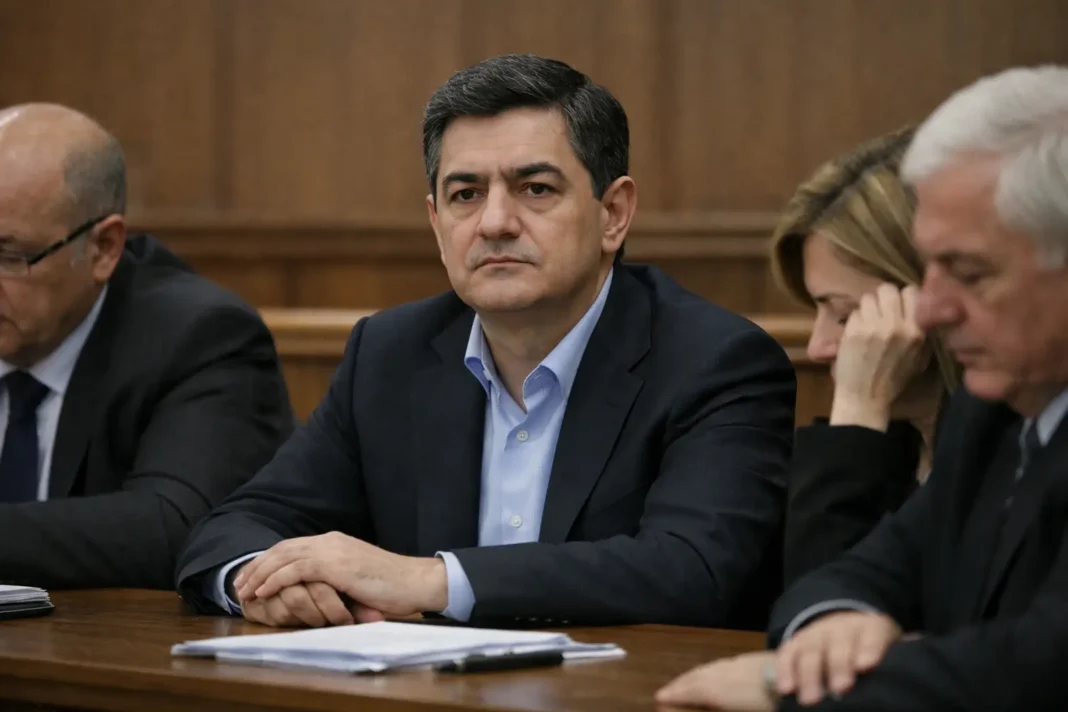
In Azerbaijan’s political landscape, the imprisonment of Ali Karimli has become one of the clearest tests of the space available to organised dissent. The opposition leader has been held since November 2025, accused by the authorities of attempting to seize power by force. Human rights groups have challenged the case, describing the prosecution as politically motivated rather than the result of an ordinary criminal process.
Karimli, the head of the Azerbaijani Popular Front Party, is among the country’s most recognisable opposition figures. His detention is therefore not only a legal case, but also a political marker in Azerbaijan, where opposition parties operate in a restricted public arena. The allegation against him is serious, involving the use of force against state authority, and it carries consequences that go far beyond the fate of one party leader.
The case sits within a broader debate over the treatment of critics, activists and independent political voices in the country. International organisations that monitor human rights, including Human Rights Watch, have repeatedly examined Azerbaijan’s record on civil liberties and political freedoms. In that context, Karimli’s prosecution has drawn attention because rights groups argue that the accusation is being used to neutralise an opponent rather than to address a demonstrable security threat.
For the Azerbaijani authorities, the central charge remains an attempted violent seizure of power. For critics of the prosecution, the central issue is whether the criminal justice system is being applied independently and transparently. That distinction is crucial in politically sensitive cases: proceedings involving opposition leaders require a level of openness capable of separating genuine security concerns from the suppression of dissent.
One year after his detention began, Karimli’s case continues to carry significance beyond the courtroom. It affects perceptions of political competition, the credibility of public institutions and the country’s relationship with international rights standards. As long as the prosecution is viewed by human rights groups as politically driven, the imprisonment of Ali Karimli will remain a focal point in scrutiny of Azerbaijan’s domestic political climate.

