



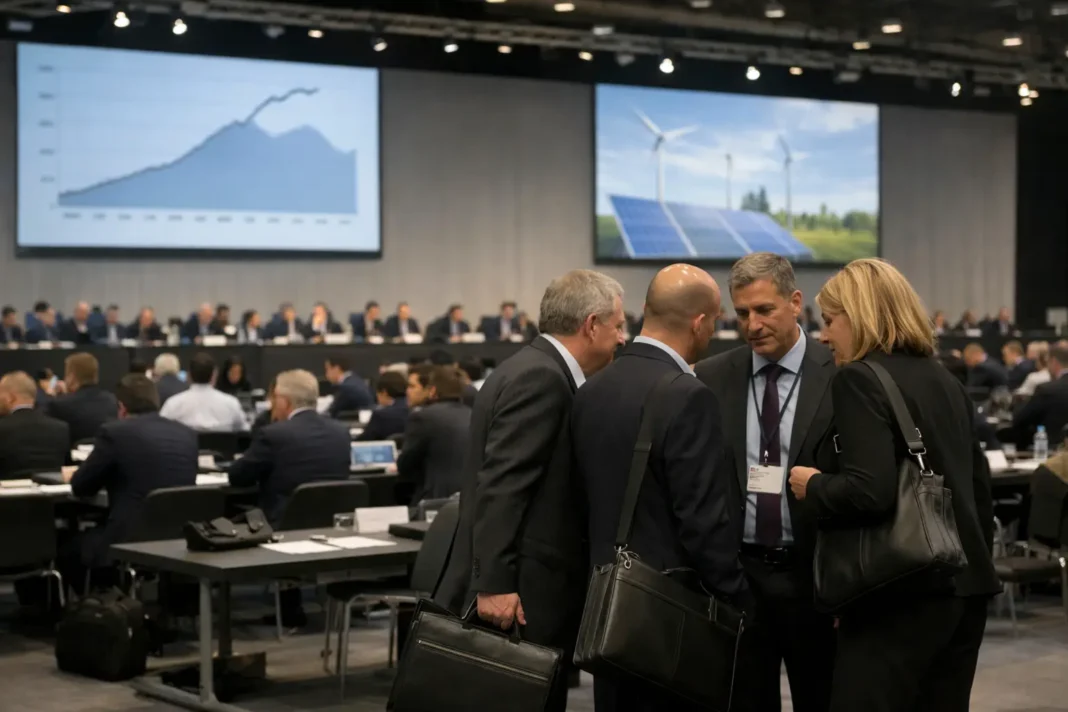
The presence of fossil fuel-linked delegations at COP31 in Turkey has renewed scrutiny over who is shaping global climate negotiations. One hundred corporations and industry groups connected to oil, gas and coal interests have sent representatives to this year’s summit, including ExxonMobil and TotalEnergies. Their participation comes after more than 1,600 fossil fuel lobbyists attended COP30 in Brazil and more than 1,700 took part in the 2024 talks in Azerbaijan, reinforcing concerns that the process remains vulnerable to interests tied to the main sources of human-driven warming.
The annual climate conference, held under the UNFCCC, is designed to coordinate national action on climate change. Yet the continued access granted to fossil fuel representatives has become a central integrity issue. Lobbyists can enter through industry associations, non-governmental organisations or even official national delegations. This matters because the negotiations are increasingly focused not only on emissions, but on the future of the fuels that create them. It took until the Glasgow summit in 2021 for fossil fuels to be explicitly addressed in a COP outcome, after more than 25 years of talks.
At COP31, negotiators are dealing with more than 100 agenda items, including work on faster emissions reductions and a separate action agenda presented by Turkish Environment Minister Murat Kurum. Measures linked to clean energy, electrification and the managed shift away from coal, oil and gas directly affect fossil fuel business models. One goal under discussion would raise electricity’s share of final global energy demand to 35% by 2035, a shift that could accelerate electric vehicles, batteries, heat pumps and industrial electrification. Such changes would reduce demand for oil and gas, placing companies and producer states under pressure.
Integrity safeguards remain limited. Brazil, working with the United Nations and UNESCO, helped launch an international initiative against climate disinformation after COP30, and 30 countries have endorsed its declaration. The draft negotiating text at COP31 refers to information integrity, but there is still no clear code of conduct requiring meaningful disclosure of fossil fuel ties among delegates, nor explicit rules against spreading misleading claims about climate science or policy. Researchers have described recurring delay narratives, including portraying gas as a transition solution or relying on future carbon capture as a reason to slow current action.
Australia is also under close examination because its climate minister, Chris Bowen, is presiding over negotiations through a co-hosting arrangement with Turkey. The country is expanding domestic clean-energy measures, including household batteries and electric vehicles, while remaining a major coal and gas exporter. Prime Minister Anthony Albanese drew criticism for not referring to fossil fuels in his opening COP31 speech, shortly after António Guterres, the UN secretary-general, urged countries to make fossil fuels go “the way of the dinosaurs.” The outcome in Turkey will show whether governments can strengthen climate policy while addressing the influence of industries whose products remain at the centre of the crisis.