



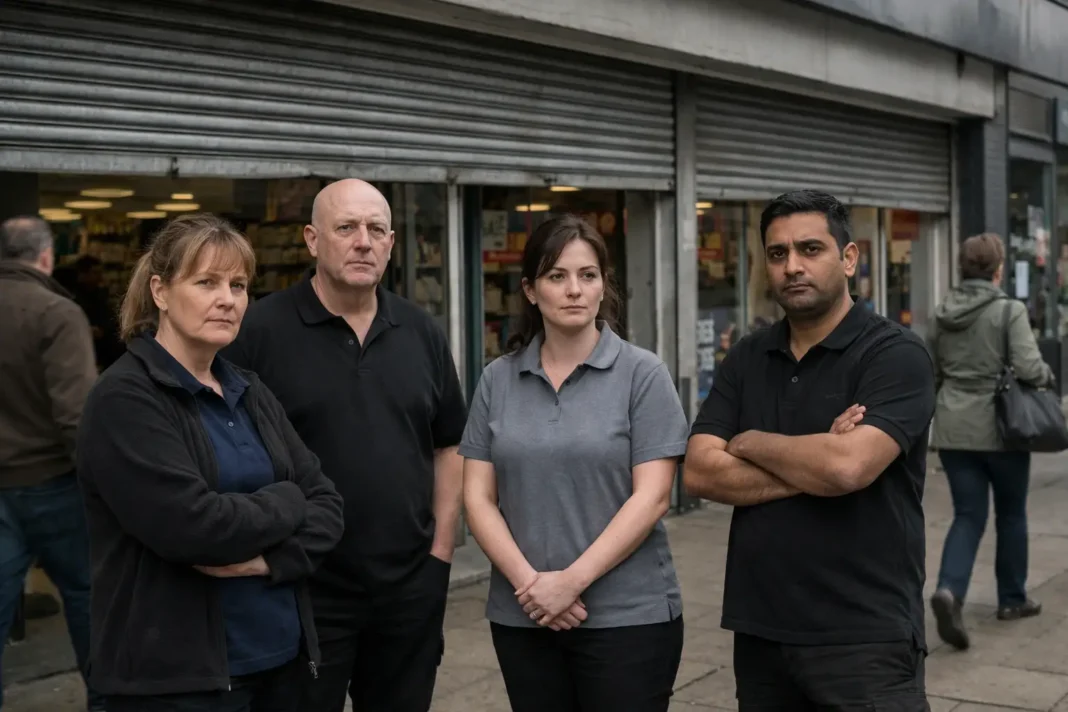
Poundland has entered administration, placing more than 10,000 jobs at risk and raising the prospect of store closures across its network in the United Kingdom and Ireland. The budget retailer, a familiar presence on high streets and in shopping centres, has 600 stores and is now facing a formal insolvency process at one of the most sensitive points of the retail calendar, in the weeks before Christmas.
Directors of Poundland appointed administrators from AlixPartners, shifting control of the company’s immediate future to insolvency specialists. The chain is expected to be broken up, with significant job losses and shop closures anticipated. The development follows the rejection by its US owner of at least two late bids aimed at rescuing the discount retailer.
The collapse places staff in a period of acute uncertainty, particularly because the decision comes during the peak trading season for many retailers. Poundland’s large store estate means the consequences are likely to reach beyond employees, affecting landlords, suppliers and town centres where the chain has operated as an accessible low-price outlet. For the wider retail sector, the administration underlines the pressure on businesses with extensive physical footprints, especially those dependent on high volumes and tight margins.
Administration is designed to protect a struggling company while administrators assess options for creditors, potential asset sales and the future of trading operations. In Poundland’s case, the expected break-up suggests that parts of the business could be separated, sold or closed as the process advances. No detailed timetable for closures or redundancies has been announced, but the scale of the chain means any restructuring would be among the most significant recent developments for discount retail employment.
The case is also important because Poundland has long occupied a distinct place in the British value retail market, serving shoppers seeking low-cost household goods, groceries and everyday essentials. Its difficulties now add to concerns about jobs and the resilience of high-street retail after years of changing consumer habits, rising operating costs and intense competition. For employees, the immediate priority is clarity on whether stores will continue trading, which roles can be preserved and how quickly administrators will determine the future shape of the business.