



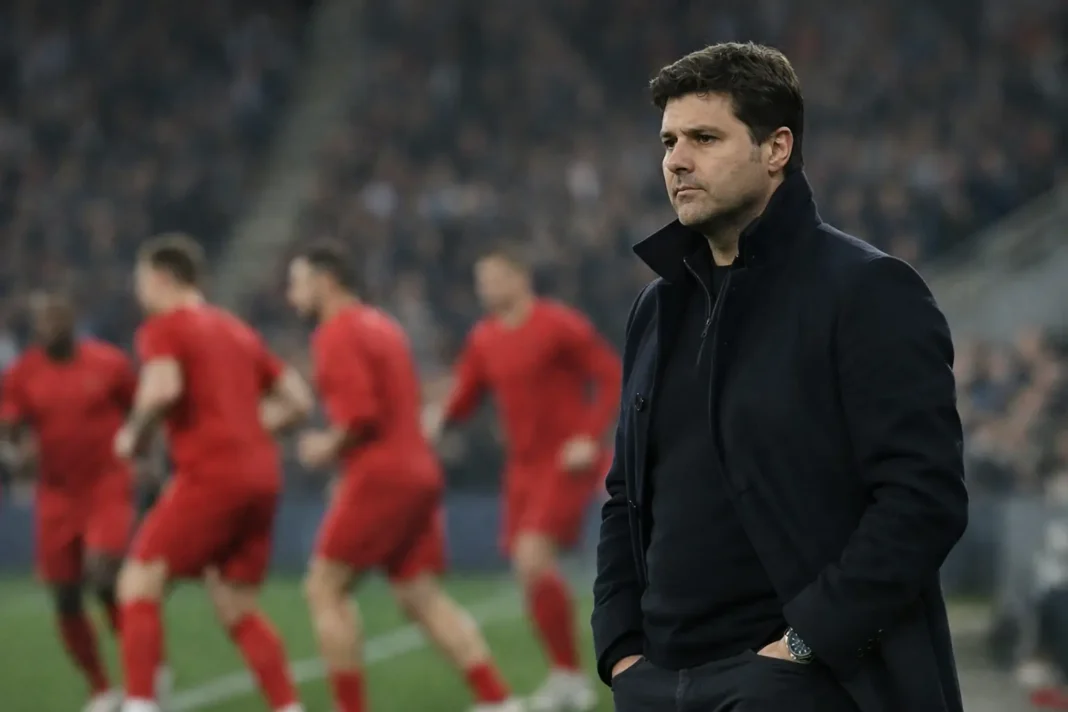
Two matches in, Mauricio Pochettino is already confronting the difficult reality of life at Manchester United. His opening spell in charge has been marked by frustration rather than clarity, with a chaotic start leaving more issues to assess than conclusions to celebrate. At a club where scrutiny is immediate and patience is limited, even the first steps of a new managerial era are measured closely.
The early picture is not yet a verdict on Pochettino, but it does underline the scale of the assignment. Manchester United remains a club defined by expectation, history and pressure, and a manager’s opening matches often become a test of communication as much as results. The former Tottenham and Chelsea coach has inherited an environment in which performances, selection choices and visible organisation are examined from the first whistle. Two games are not enough to establish a project, but they are enough to reveal whether calm is beginning to replace uncertainty.
For supporters, the key issue is whether Pochettino can quickly impose a recognisable identity. His reputation has long been associated with intensity, structure and demanding physical standards, but those principles require time to take hold. In the Premier League, where momentum can turn rapidly, the challenge is to build confidence while dealing with the immediate demands of fixtures and public reaction. The early frustration around his tenure reflects not only what has happened on the pitch, but also the wider need for Manchester United to look coherent again.
Manchester United, whose official club information is available through Manchester United, operates under a level of attention few teams experience. That context makes Pochettino’s first two matches more than a simple introduction. Every adjustment is interpreted as a signal of intent, every setback as evidence of deeper problems. The responsibility now is to turn a disrupted beginning into a platform for progress without allowing the mood around the club to harden too early.
The next phase will matter more than the opening impression. Pochettino does not need instant perfection, but he does need signs of stability, clearer patterns and a response strong enough to quieten the sense of disorder. His start at Manchester United has brought frustration, yet it has also defined the immediate task: restore control, establish authority and give the club a direction supporters can recognise.