



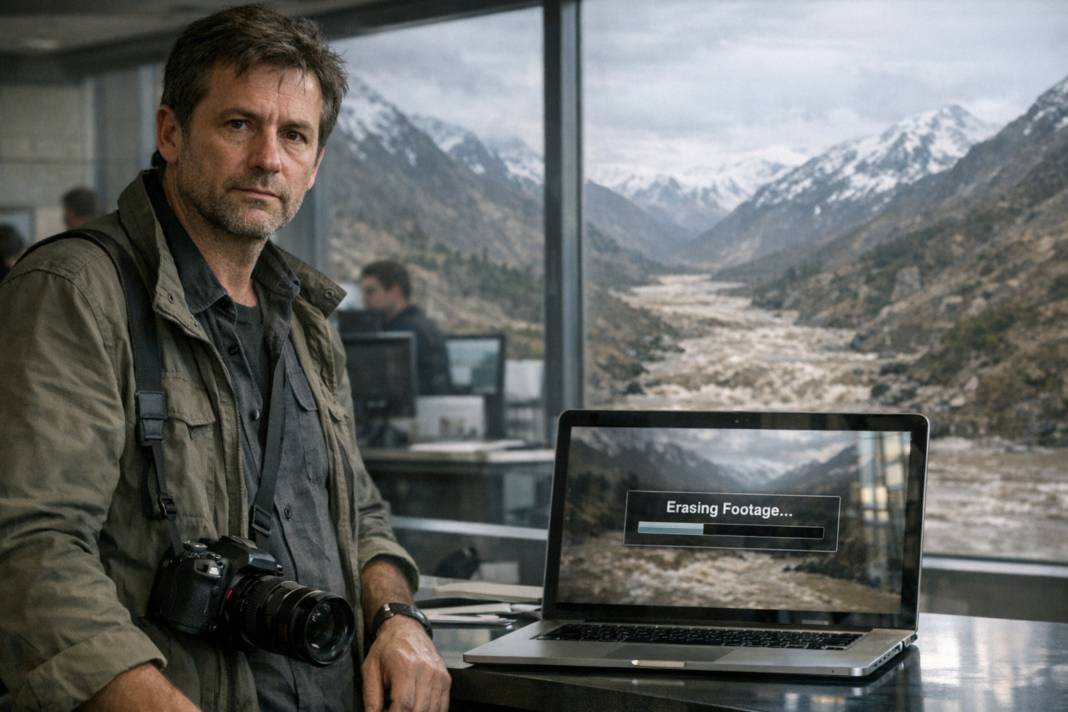
Images of Tibet floods that circulated online in the wake of a deadly inundation along the China–Nepal border were removed from social platforms as domestic channels promoted authorised coverage. Visuals that had shown damage to settlements and emergency activity were no longer accessible to many viewers inside the region, and the public record available online shifted toward material released by Chinese state media.
Footage that initially spread through messaging apps and short video services saw a rapid decline in availability after appearing widely, with some clips disappearing entirely. At the same time, broadcast segments, official statements and curated images from government-aligned outlets became more prominent across platforms, reshaping the narrative visible to users. The change in content mix occurred amid constrained local reporting from the affected highland areas.
The removal of independently captured imagery has implications for how the situation is assessed outside the immediate disaster zone. Visual documentation often serves as a primary source for humanitarian responders, researchers and families seeking information about relatives. Reduced access to unauthorised footage narrows the pool of material available for external verification, limiting what third parties can observe about the scale of destruction and the progress of relief efforts.
Because the event affected communities in Tibet and neighbouring districts across the border, coordination between local authorities, cross-border actors and international organisations faces potential complications when independent reporting is constrained. Openly accessible and varied sources of information can support operational planning and public accountability in the hours and days after a disaster. Ensuring that reliable, timely updates remain available to affected communities and outside observers will be central to any ongoing response and to longer-term efforts to understand the incident’s human and infrastructural impact.