



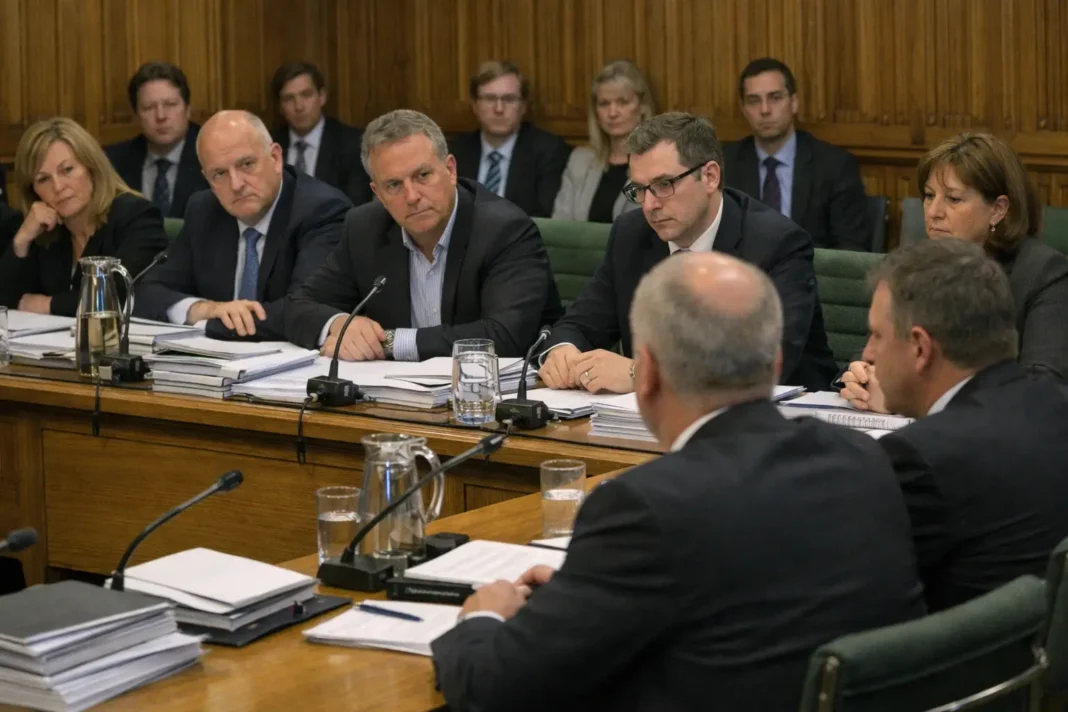
Poundland’s financial future is facing renewed scrutiny after MPs accused the budget retailer’s owner of taking millions of pounds out of the business while the chain was on a “knife-edge”. The company, one of the most recognisable names in the UK discount sector, is preparing to ask the High Court for a further two weeks of legal protection from creditors as its management works to secure a rescue deal.
Poundland employs about 12,000 people and operates roughly 600 stores across the United Kingdom and Ireland, giving the case significance beyond a single corporate restructuring. The chain has long been associated with low-price essentials, a segment that has remained highly competitive as household budgets have come under pressure. Any uncertainty around its future is likely to be closely watched across the retail industry, where store networks, rent costs and supplier terms can quickly determine whether a rescue plan is viable.
The request for an extension means the retailer is seeking more time before creditors can take action, a legal pause intended to provide space for negotiations. Such protection can be critical when a company is trying to finalise a restructuring or sale, but it also raises the stakes for employees, landlords, suppliers and customers awaiting clarity. The involvement of MPs adds a political dimension to the process, particularly because the allegations concern money removed from the business at a time when its stability was already under strain.
Members of UK Parliament have focused on the conduct of the owner rather than the day-to-day trading of the stores, highlighting the balance between investor returns and corporate responsibility when a major employer approaches distress. The accusation that millions were extracted while the retailer was in a precarious position is likely to intensify questions over governance, creditor interests and the protection of jobs in the United Kingdom high street economy.
The immediate question before the court is limited: whether Poundland’s management should be granted another two weeks to continue efforts to reach a deal. The wider issue is whether the retailer can emerge from the process with a sustainable structure for its stores and workforce. Until the court process and rescue talks progress, the future of one of Britain’s largest discount chains remains unresolved, with consequences that extend across employment, local shopping areas and the broader business landscape.
