



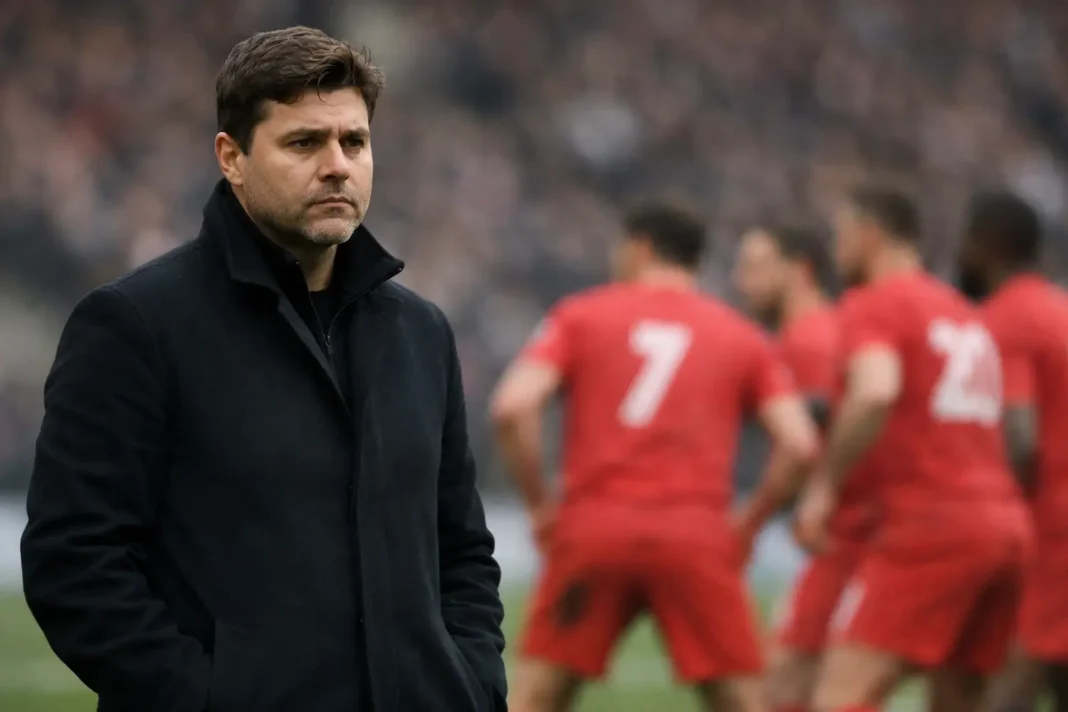
Ten goals conceded in three matches is not a difficult statistic to interpret. For Mauricio Pochettino, the opening phase of his time at Manchester United has delivered immediate pressure rather than the usual period of patience granted to a new manager. The number is stark enough on its own, but its significance is greater because it concerns the part of the team that must provide the foundation for any tactical reset: the defence.
Manchester United, whose official club channels are available through Manchester United, are accustomed to intense scrutiny, yet poor early defensive returns sharpen every question around structure, selection and confidence. A new coach can often point to transitional issues in possession or attacking rhythm, but repeated concessions create a different kind of pressure. They affect game management, reduce margin for error and force the team to chase stability before it can build momentum.
The immediate concern is not simply the volume of goals conceded, but what that figure says about collective organisation. Defensive issues at elite level rarely belong only to the back line. They involve distances between units, pressure on the ball, protection in midfield and the ability to react after possession is lost. For Pochettino, a coach associated with intensity and coordinated pressing, the early challenge is to translate those principles into a side that has begun his tenure looking vulnerable.
In the wider Premier League context, a fragile defence can quickly distort a season. The competition punishes hesitation, and opponents are unlikely to overlook a team that has conceded so freely at the start of a managerial cycle. For United, the sporting consequences go beyond the table. Defensive instability can influence team selection, alter tactical ambitions and increase the burden on attacking players to compensate for errors at the other end.
The path forward begins with reducing avoidable damage. That does not require public declarations or sweeping explanations; it requires visible improvement in control, spacing and concentration over 90 minutes. Mauricio Pochettino does not yet face a final verdict, but the honeymoon period has effectively disappeared. At a club of United’s scale, conceding 10 goals in three matches turns adaptation into urgency and makes defensive credibility the first measure of progress.
