



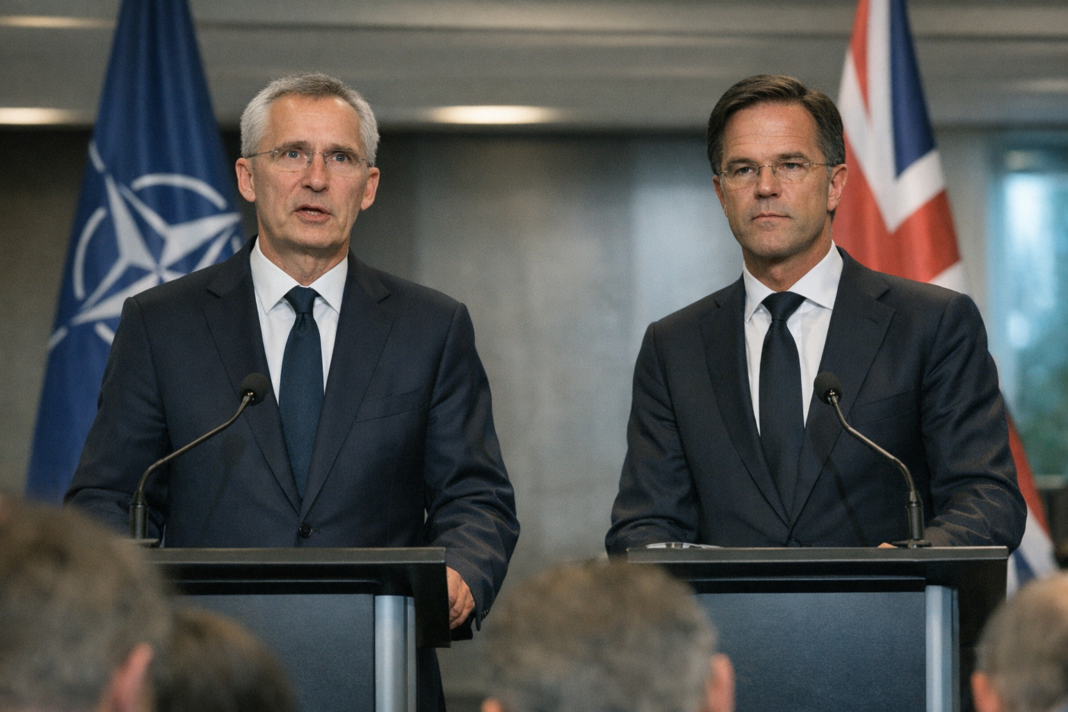
Allies demand clarity as the international military alliance steps up pressure on the UK to present a transparent route for increasing defence outlays. Jens Stoltenberg, the secretary general of NATO, has urged London to set out a “credible path” for future spending, while Mark Rutte told the BBC that UK ministers recognise the need for steady, year-by-year rises in defence budgets.
The appeal from NATO leadership and comments from the Dutch prime minister underline lingering concerns among member states about predictability and burden-sharing. NATO expects allies to move toward spending levels that sustain collective capabilities and readiness; the demand for a clear multi-year programme is intended to allow partners to plan procurement, force posture and joint exercises with greater confidence.
The call for a defined trajectory touches on domestic fiscal choices in London. A publicly stated plan to lift defence outlays incrementally can reduce uncertainty for armed forces and industry, and provide a benchmark for parliamentary scrutiny. Conversely, a lack of a sustained commitment risks complicating procurement timetables and interoperability projects with other NATO members. Observers note that a phased, transparent approach would also help ministers explain trade-offs to domestic audiences while meeting alliance expectations.
Officials from allied capitals will be watching forthcoming UK budget and defence review processes for signals of commitment. NATO’s emphasis on a “credible path” aims to convert broad pledges into measurable steps that can be tracked over successive fiscal years. For partners seeking assurance, such clarity would inform long-term planning across forces and reinforce collective deterrence efforts in a changing strategic environment.
