



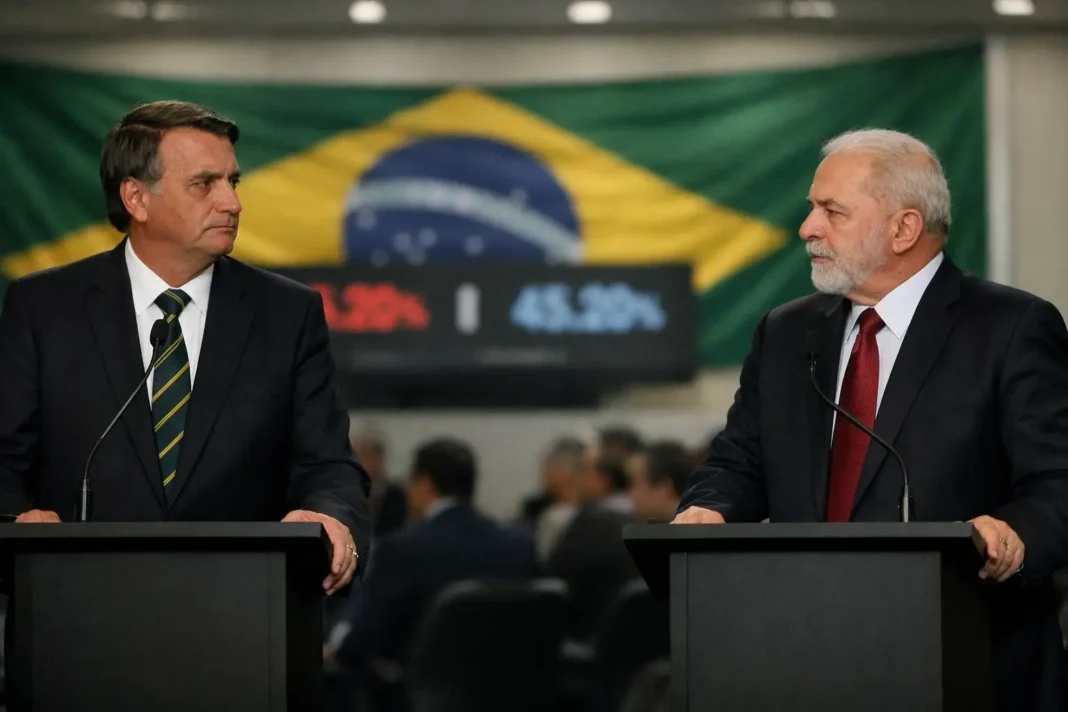
Narrow first-round lead by Flavio Bolsonaro over incumbent Luiz Inacio Lula da Silva has left the Brazilian presidential contest unresolved, with the country’s electoral authority confirming that the final decision will come in a runoff. The announcement from the Tribunal Superior Eleitoral formalises a second-round contest between the two top vote-getters after neither secured a decisive victory in the initial ballot.
The result reflects a closely contested campaign across Brazil, where the electoral system requires an absolute majority for an outright win in the first round. With that threshold unmet, election rules call for the two leading candidates to face each other in a direct runoff, shifting the contest from a multi-candidate field to a head-to-head competition that will determine who leads the next administration.
The narrow margin reported by the electoral authority underlines the polarized nature of the electorate and signals a period of intensified campaigning. Political strategists will likely reallocate resources and messaging toward undecided voters and supporters of eliminated candidates, while attention from domestic institutions, civil society and international observers will focus on the dynamics of the runoff stage and its potential impact on governance.
The Tribunal Superior Eleitoral will manage the logistical and regulatory steps required to move the process into its next phase. The runoff outcome will decide the presidency and shape the incoming government’s priorities. For now, both candidates remain prominent figures at the centre of a tightly fought race that will be settled only when voters return to the polls for the decisive second round.
